Why agricultural extension services
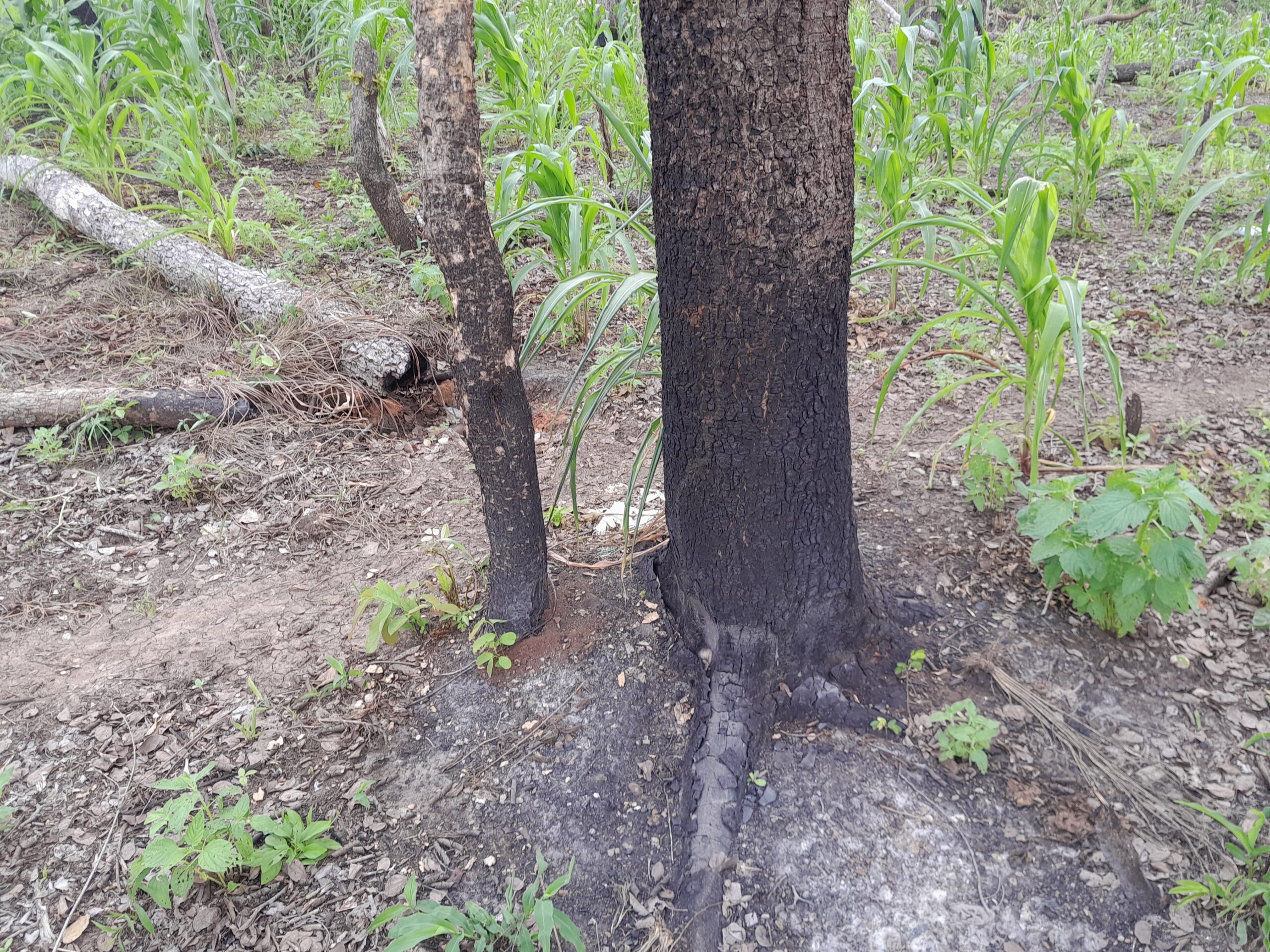
More than 95% of deforestation within the project area is driven by smallholder slash-and-burn agriculture. Sesame and maize alone account for over 83% of forest loss, while other crops commonly associated with deforested areas include rice, pigeon peas, beans, sunflower, and cashew.
Farmers in the project area have limited access to effective extension services and often apply poor agronomic practices. These include inadequate farm planning and land preparation, use of inappropriate or low-quality tools, poor seed selection and spacing, and weak weed, pest, and disease management. In addition, harvesting, post-harvest handling, and storage practices remain suboptimal.
Furthermore, there is a lack of standardized, practical, and field-based capacity-building materials and implementation plans, creating a critical gap in delivering consistent, outcome-based agricultural extension services.
VCSL's Core Principles of Agricultural Extension
Guiding principles that ensure productivity, sustainability, and alignment with forest conservation goals.
Productivity on Existing Land
Increase output on current farmland to reduce pressure for expansion into forests.
Sustainable Intensification
Improve yields while maintaining soil health and supporting long-term productivity.
Zero Deforestation
All interventions avoid clearing forests, especially those older than 10 years.
Climate-Smart Farming
Promote resilient farming practices that adapt to climate variability.
Smallholder Focus
Design services that are practical, accessible, and tailored to smallholder farmers.
Appropriate Technology
Adopt efficient, locally suitable tools including animal-powered and mechanized systems.
Integrated Farm Management
Promote crop rotation, soil conservation, improved inputs, and pest management.
Post-Harvest & Markets
Improve storage, handling, and market access to increase farmer incomes.
Conservation Linkage
Ensure agricultural gains directly reduce deforestation and strengthen community benefits.
VCSL's Priority Crops
Key crops supported through agricultural extension to improve productivity and strengthen livelihoods
Core Crops
Sesame
Maize
Pigeon Peas
Other Priority Crops
Beans
Rice
Sunflower
Vegetables
VCSL's Agricultural Extension Services
Core activities supporting smallholder farmers to improve productivity, resilience, and sustainable land use.
Information & Education Materials
Provision of accessible training materials to reinforce knowledge and support farmer decision-making.
Continuous Extension Support
Ongoing technical backstopping by extension officers to ensure sustained adoption and problem-solving.
Awareness & Behaviour Change
Engagement through farmer groups and sub-village meetings to promote improved agronomic practices.
Demonstration Plots & Champion Farmers
Practical learning through demonstration farms and peer farmers showcasing improved practices.
On-site Farm Advisory
Regular farm visits to diagnose challenges and provide tailored solutions directly on farmers’ fields.
Access to Finance
Linking farmers to appropriate green finance products to support adoption of improved practices.
Access to Inputs & Equipment
Facilitating access to certified seeds, agro-inputs, and farm equipment for productivity gains.
Farmer Journey
How extension services translate into productivity, conservation, and long-term livelihood benefits
Awareness
Farmers engage in sub-village meetings and farmer groups to learn improved practices.
Training & Demonstration
Hands-on learning through demonstration plots and champion farmers.
Adoption
Farmers apply improved practices on their own farms with ongoing advisory support.
Productivity Gains
Improved yields and efficiency increase household agricultural output.
Reduced Forest Pressure
Higher productivity reduces the need to expand into forest areas.
Increased Income
Higher farm yields and carbon revenues improve household income.
Reinvestment
Households reinvest in agriculture, creating a sustainable cycle of growth.