Village Climate Solutions Project
Community-led forest and farm solutions generating climate finance, supporting biodiversity, and resilient livelihoods
Learn Our Theory of Change: Problem β†’ Vision β†’ Solution
↓
🌍 Understanding the problem we're addressing.
⚠️ Key Drivers

🌾 Low agricultural productivity
Climate variability, poor practices, and human-wildlife conflict

πŸ“ Weak land tenure
Open-access forests incentivizing deforestation for land claims

πŸ’° Limited finance
Insufficient and unstable funding for VLFR management

πŸ›οΈ Weak governance
Poor VLFR boundary demarcation, weak enforcement, and lack of efforts to address leakage
➑️
🌳 Root Problem
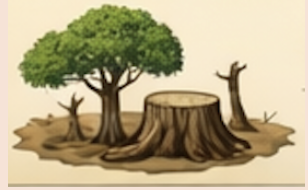
Rapid deforestation and forest degradation (~469,000 ha/year nationally),

This has affected 98% of Village Land Forest Reserves (VLFRs) within VCSL’s project landscapes, leading to widespread loss of VLFRs by up to 74%.
➑️
🌑️ Effects

🌑️ Microclimate change
Warmer and drier local conditions disrupting rainfall patterns

🌍 Increased emissions
Rising tCOβ‚‚e emissions contributing to global climate change

πŸ¦‹ Biodiversity loss
Decline of high conservation value habitats and globally significant species

🌾 Livelihood pressure
Declining farm yields and income resilience, increasing dependence on forest clearing
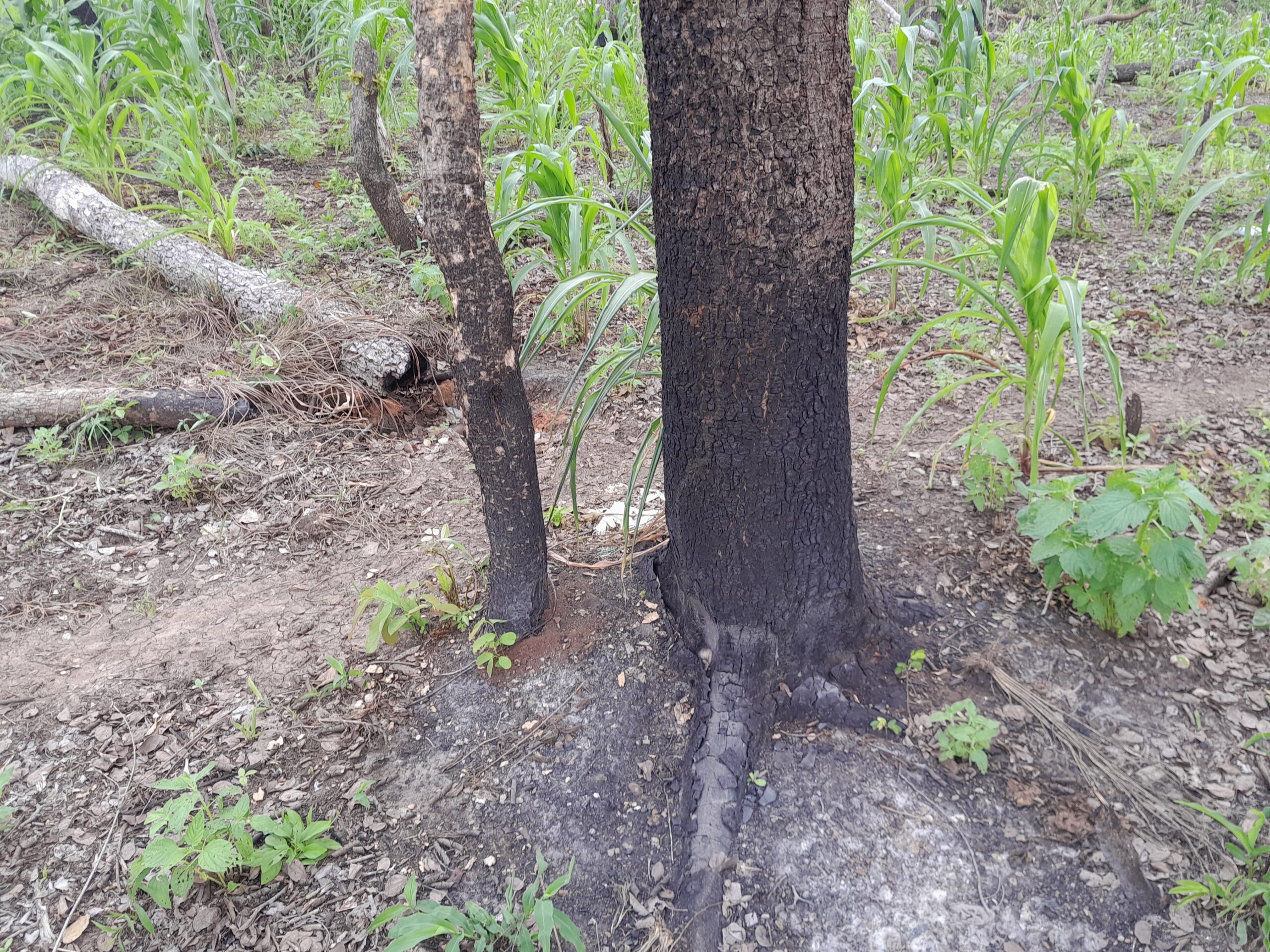
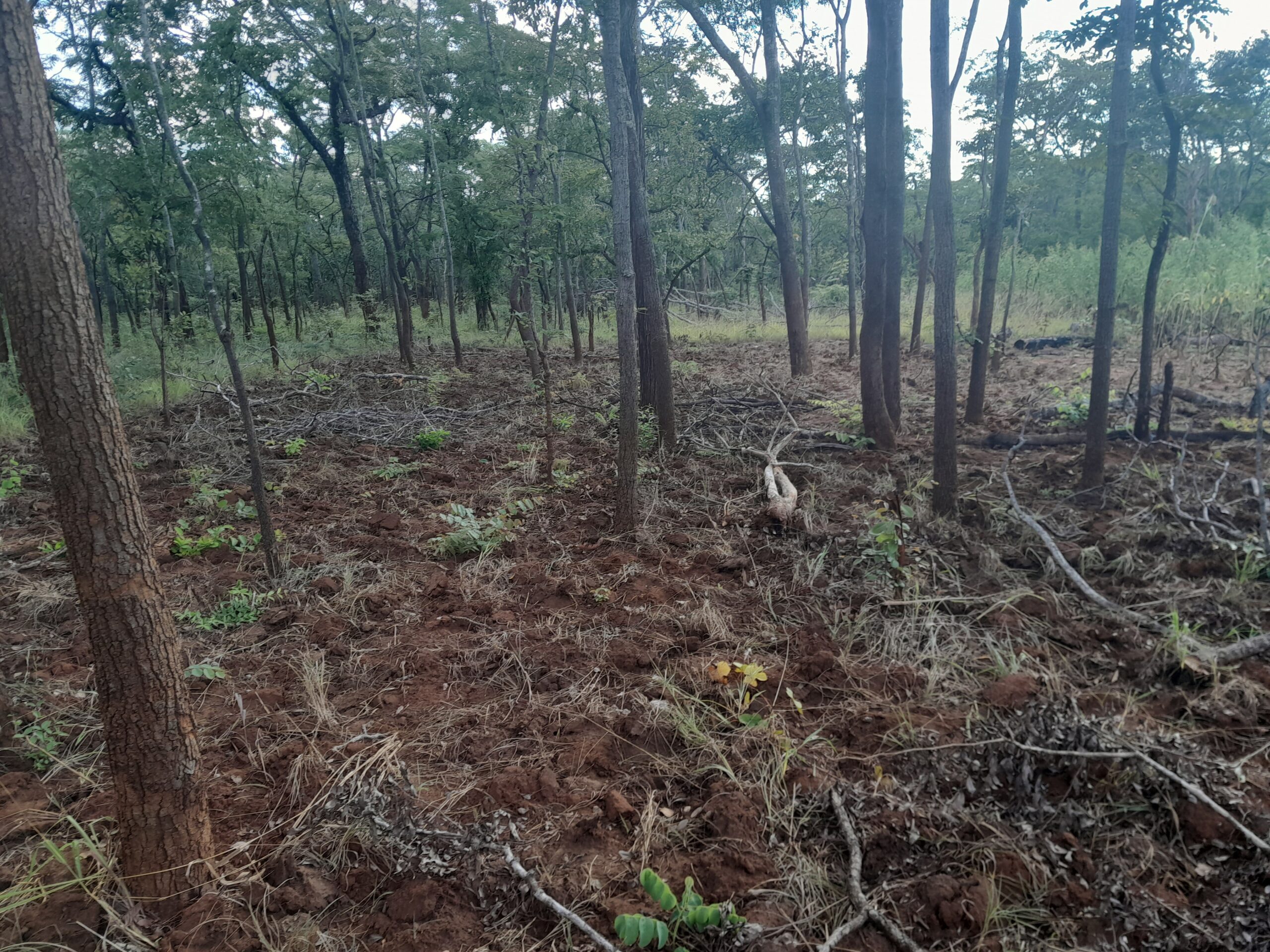
Without integrated solutions that align community income, tenure security, and forest protection, deforestation will continue to escalateβ€”undermining livelihoods, biodiversity, and climate stability.
Key Challenges Driving Deforestation
Poor smallholder farm productivity
Low yields increase pressure for land expansion.
Farm expansion into Village Land Forest Reserves
Agricultural encroachment into protected forest areas.
VCSL's Vision, Mission & Objectives
Vision
Thriving, community-led forest landscapes contributing to global climate stability, resilient livelihoods, and rich biodiversity.
Mission
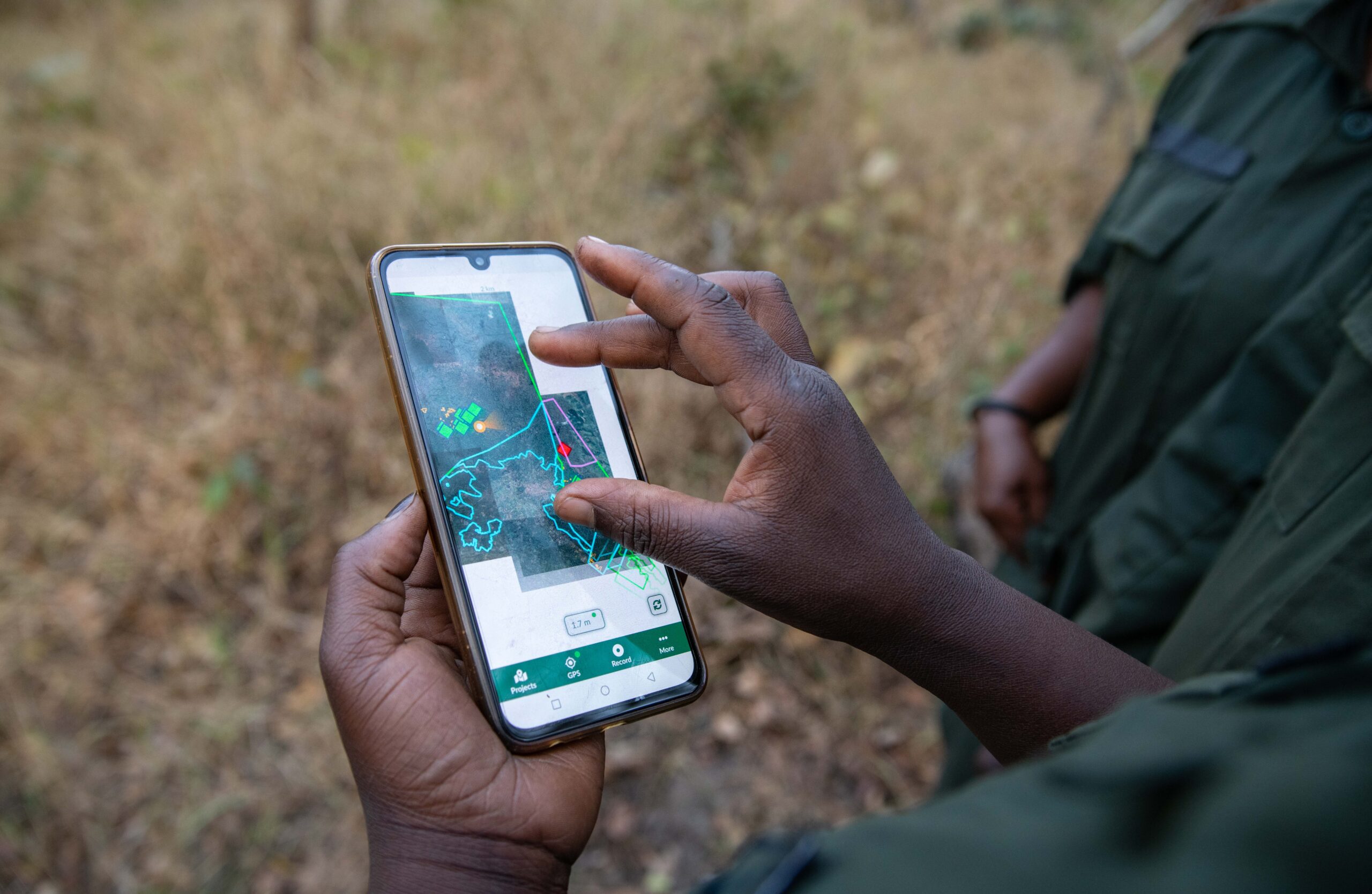
To reduce deforestation through community-led boundary demarcation and smartphone-based patrol technology, enhance farm productivity through extension services, and generate high-integrity carbon credits that deliver performance-based payments to households and community development projects.
Overall Objective
To achieve sustained reductions in deforestation and forest degradation while enhancing biodiversity conservation and improving livelihoods across community-managed forest landscapes.
Specific Objectives
  • Forest Protection & Biodiversity: To reduce deforestation and enhance the protection of high biodiversity value habitats through improved awareness, boundary demarcation, enforcement, and community-based forest management.
  • Climate Mitigation Outcomes: To generate high-quality, saleable emission reductions (tCOβ‚‚e) annually through robust monitoring, reporting, and verification (MRV) systems.
  • Governance & Benefit Sharing: To strengthen village and forest governance by promoting transparent decision-making, equitable benefit-sharing mechanisms, and effective community participation in forest management.
  • Livelihoods & Incentives: To increase average annual community and household income through performance-based carbon payments, equitable benefit-sharing mechanisms, and improved productivity of arable land.
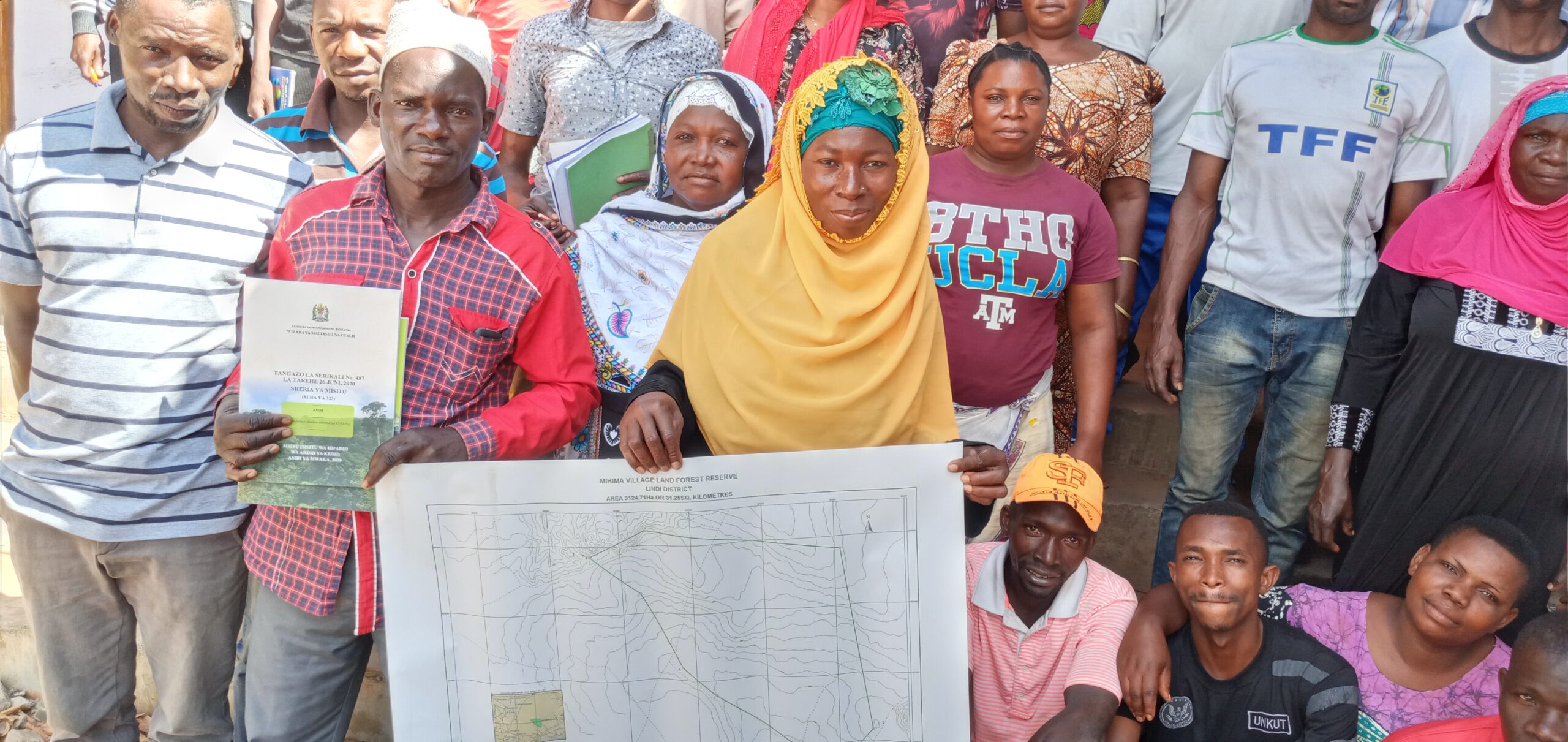
  • Land Tenure Security: To strengthen land tenure security by supporting the issuance of Certificates of Customary Rights of Occupancy and the gazettement of Village Land Forest Reserves.
  • Climate-Smart Agriculture: To improve agricultural productivity by at least 1% annually through climate-smart agriculture and strengthened extension services.
Real-time patrols
Our patrol technology
Turning Drivers into Solutions
Our model addresses the root causes of deforestation by aligning community incentives, forest protection, and sustainable livelihoods into one system.
Direct household benefits
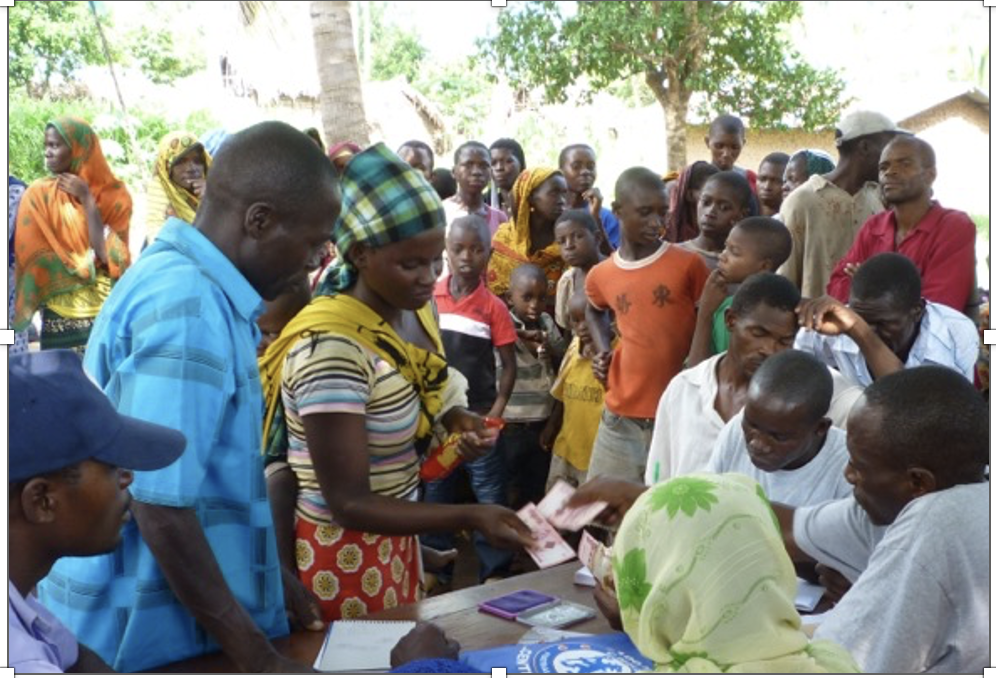
Community performance-based payments supporting household dividends and local development projects.
🌱 Our Solution Model
🌟 Impact
🌦️ Improved microclimate

Stabilized rainfall and healthier local conditions.

πŸ¦‹ Enhanced biodiversity

Habitat persistence for endangered and endemic species.

πŸ‘¨β€πŸ‘©β€πŸ‘§β€πŸ‘¦ Improved wellbeing

Stronger and more resilient livelihoods in project communities.

⬆️
πŸ“ˆ Immediate Outcomes
🌳 Reduced deforestation

Sustained protection of Village Land and Local Authority Forest Reserves.

🌍 Verified emission reductions

Conservative carbon credits issued under VCS & CCB standards.
πŸ’° Performance-based payments

Funding community development projects and household dividends.

🌾 Enhanced agricultural productivity

Higher farm yields that reduce pressure on forests.
⬆️
πŸ”‘ Community Enablers
πŸ“ Free, Prior & Informed Consent

Community approval and project participation.

πŸ›‘οΈ Community-led forest management

Smartphone patrols, boundary marking, and enforcement.

πŸ“Š Monitoring, Reporting & Verification

Participatory carbon and forest monitoring systems.

🌾 Smallholder agricultural extension

Improved practices, inputs, and market access.

By aligning carbon finance with community incentives, forests become valuable protected assetsβ€”driving sustained climate mitigation, biodiversity recovery, and improved livelihoods.
Agriculture
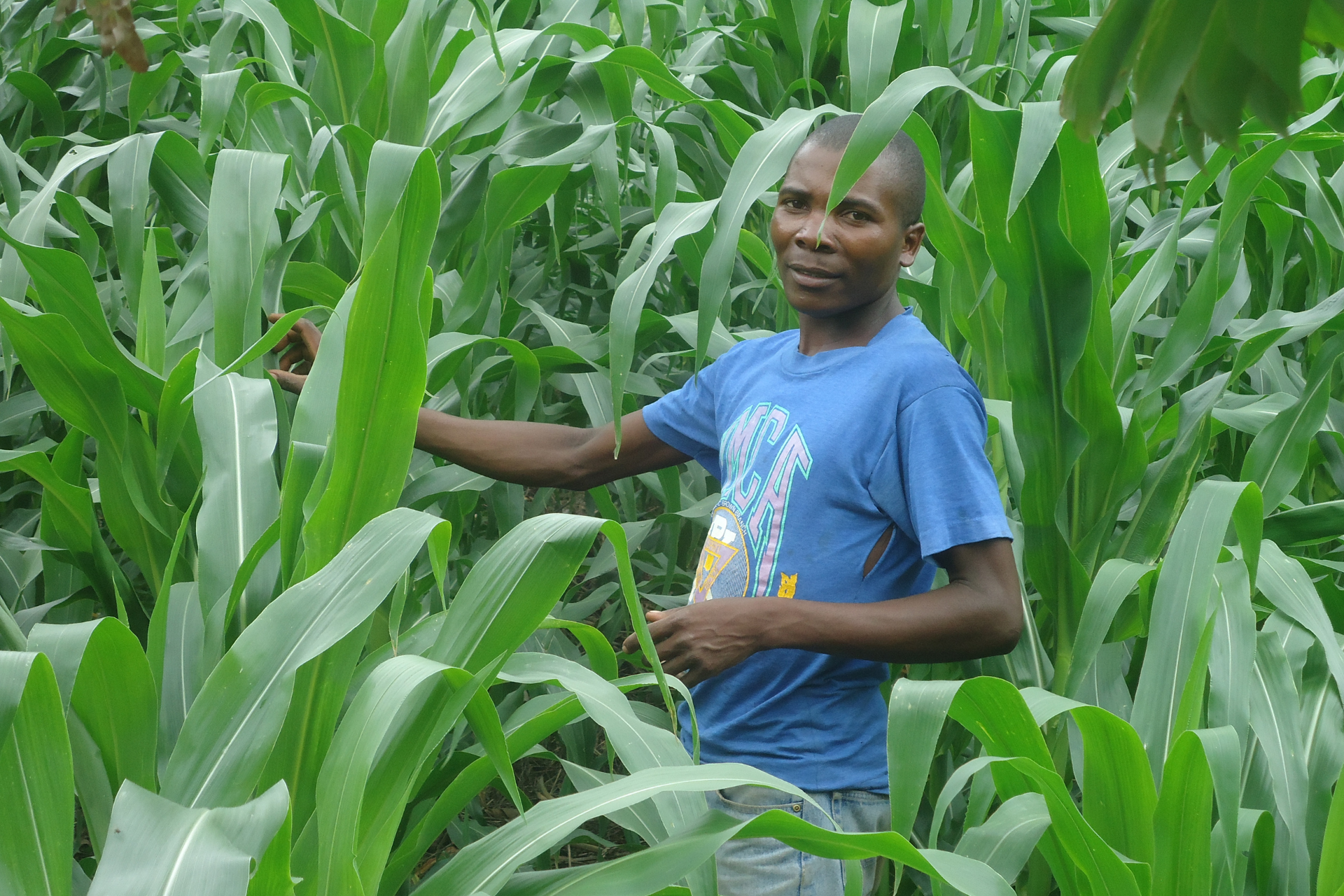
Smallholder farm extension services for improved productivity
Education
Communities prioritize education-based investments through carbon revenues
Tenure Security
Gazettement of Village Land Forest Reserves