Biodiversity
The VCSL’s project landscape contains ecosystems of global biodiversity importance, forming part of internationally recognized conservation regions and supporting rare, endangered, and endemic species.
VCSL's Biodiversity Conservation Theory of Change
⚠️
Without Project
Deforestation, uncontrolled fires, and habitat fragmentation lead to loss of High Conservation Value forests, declining species populations, and increased risk of local extinction.
🌱
With Project
Sustained forest protection through community-led, smartphone-based technology reduces deforestation, maintains critical habitats, and strengthens ecological connectivity across the landscape.
🦌
Outcome
Stable Coastal, Montane, and Miombo ecosystems support 18 endemic, endangered, and vulnerable species, demonstrating long-term biodiversity resilience.
The VCSL project protects High Conservation Value (HCV) ecosystems across Coastal Forests of Eastern Africa, Miombo Woodlands, and Eastern Arc Montane Forests.

🌳 Coastal Forests of Eastern Africa

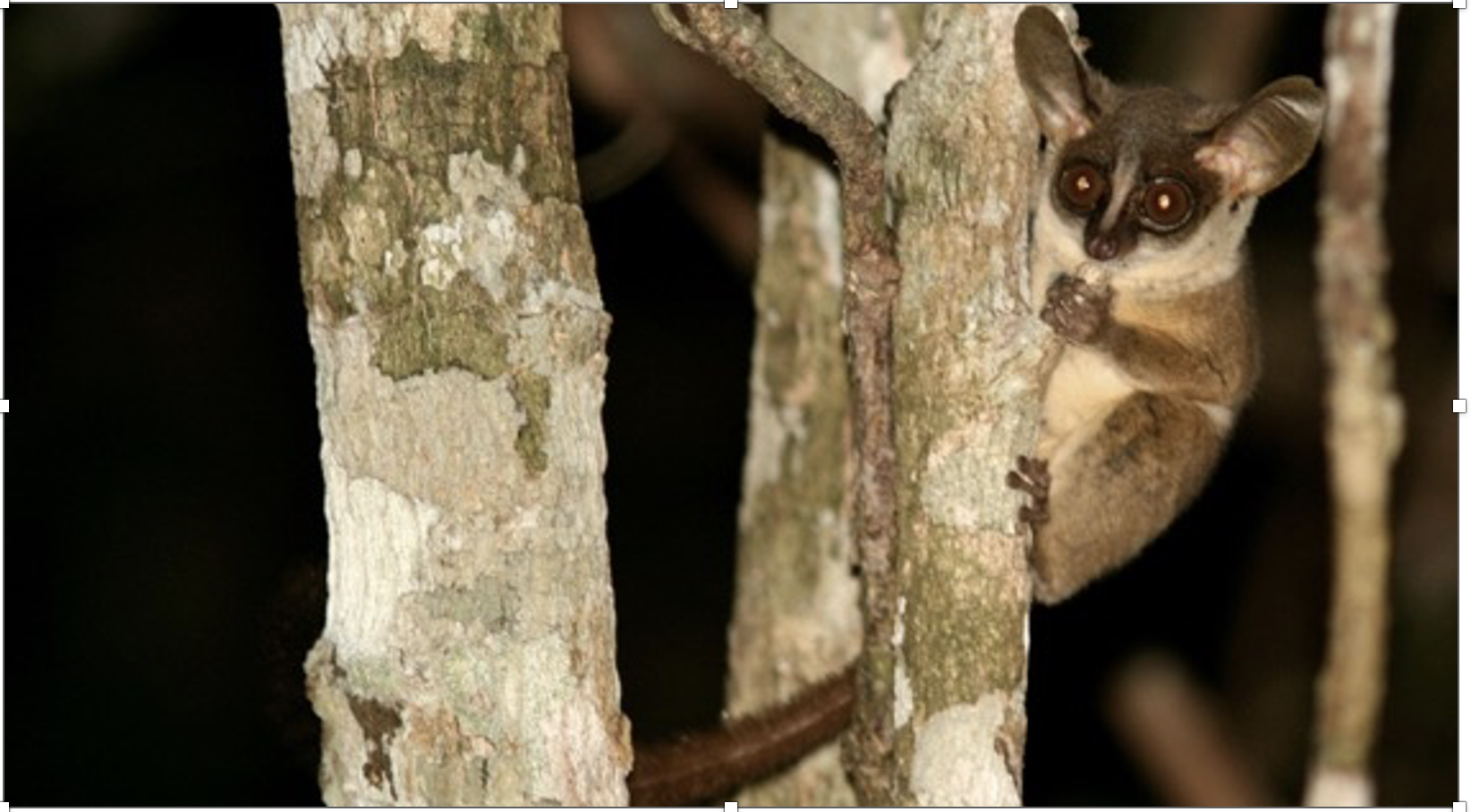
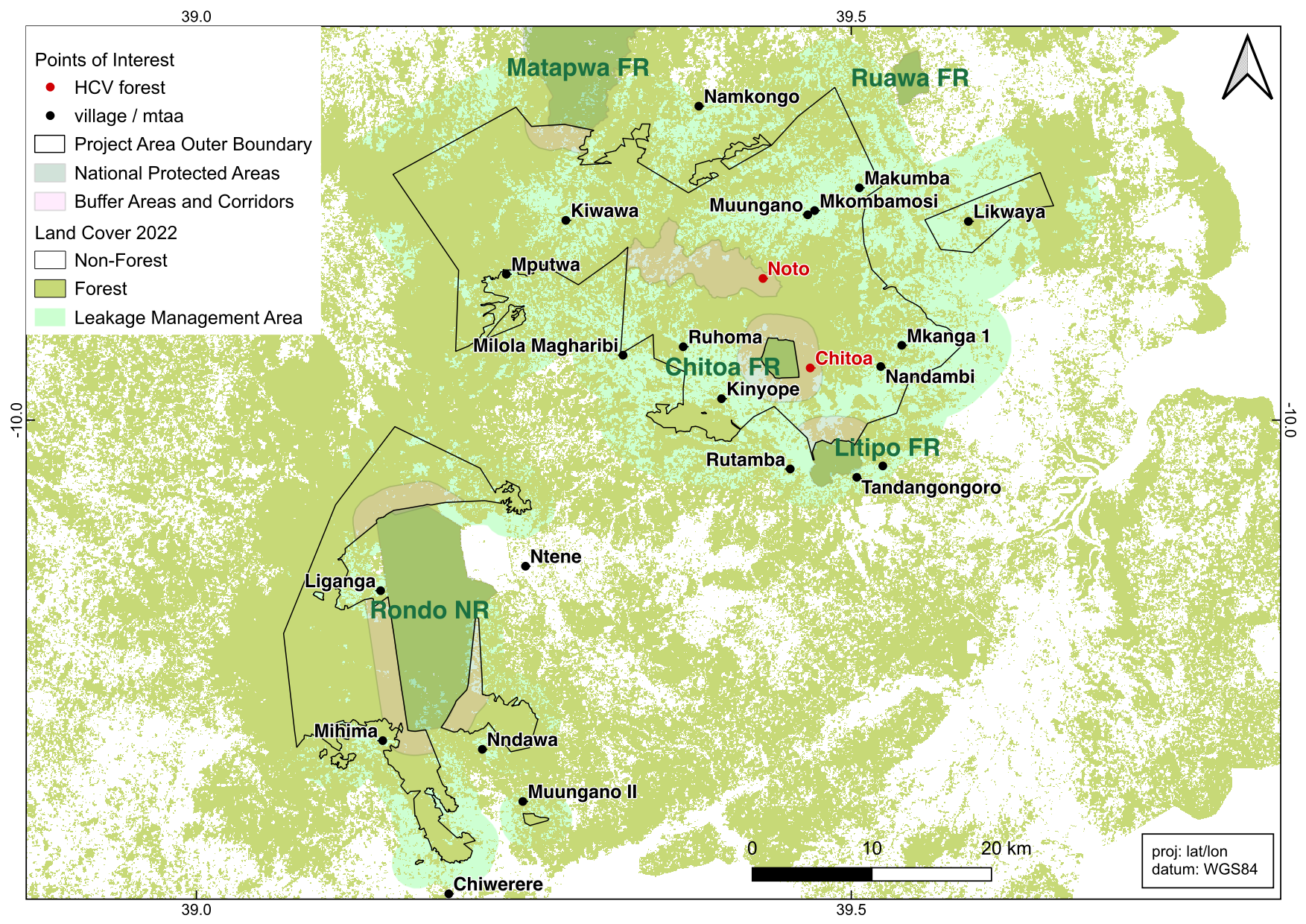
Coastal forests support endangered species such as the Rondo Dwarf Galago and African Savannah Elephant, alongside threatened plants unique to the Noto Plateau and Chitoa Forest Reserves the largest remaining coastal forest blocks in the project's landscape.
🌳
Noto Plateau Forest
Lindi Municipality
Coastal Forest
🌳
Chitoa FR Buffer
Lindi Municipality
Coastal Forest
🌳
Rondo NR Buffer
Mtama
Coastal Forest
×

Species
Importance
Villages
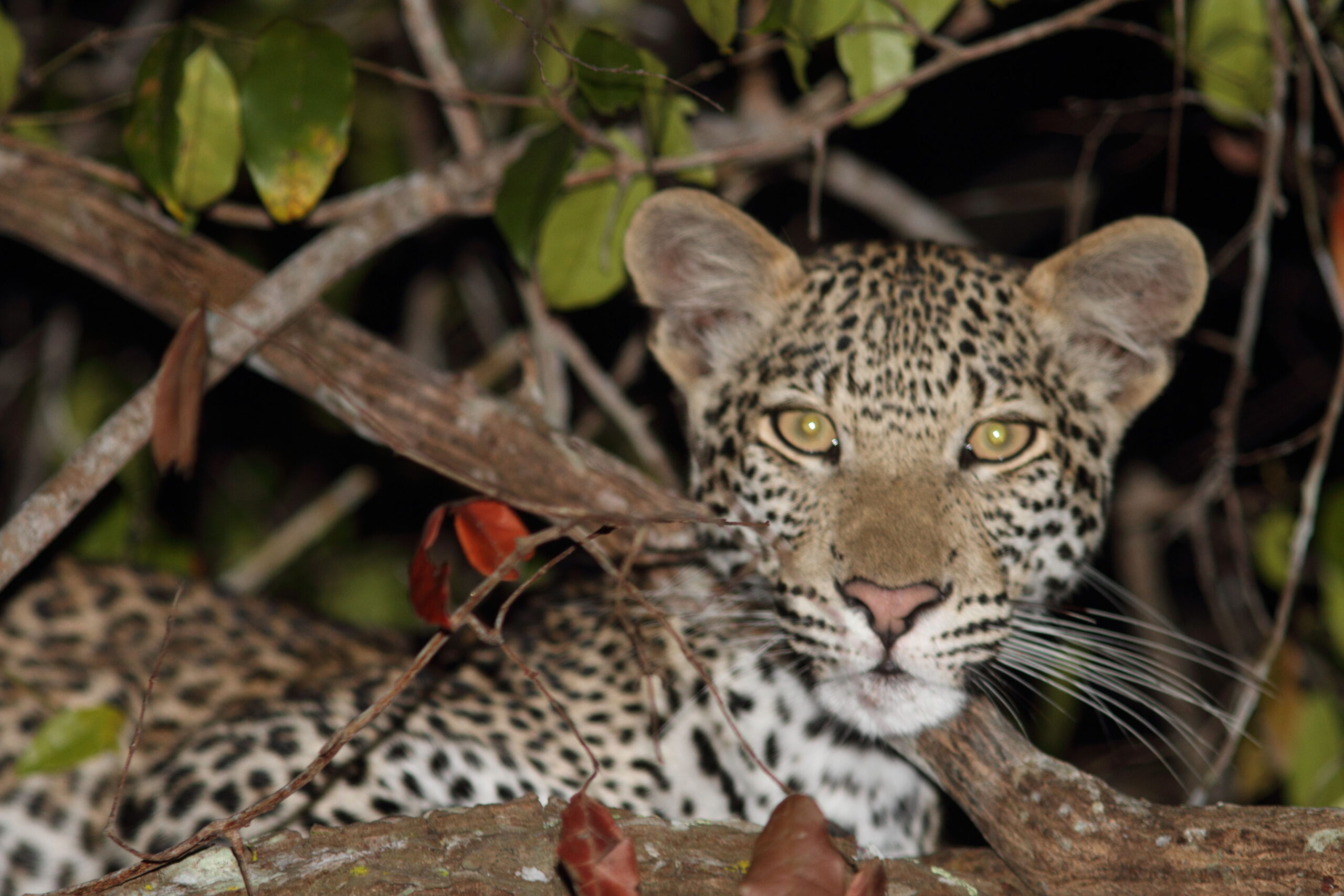
Leopard
Leopard
Paragalago rondoensis
Paragalago (Galagoides) rondoensis

⛰️ Eastern Arc Montane Forests

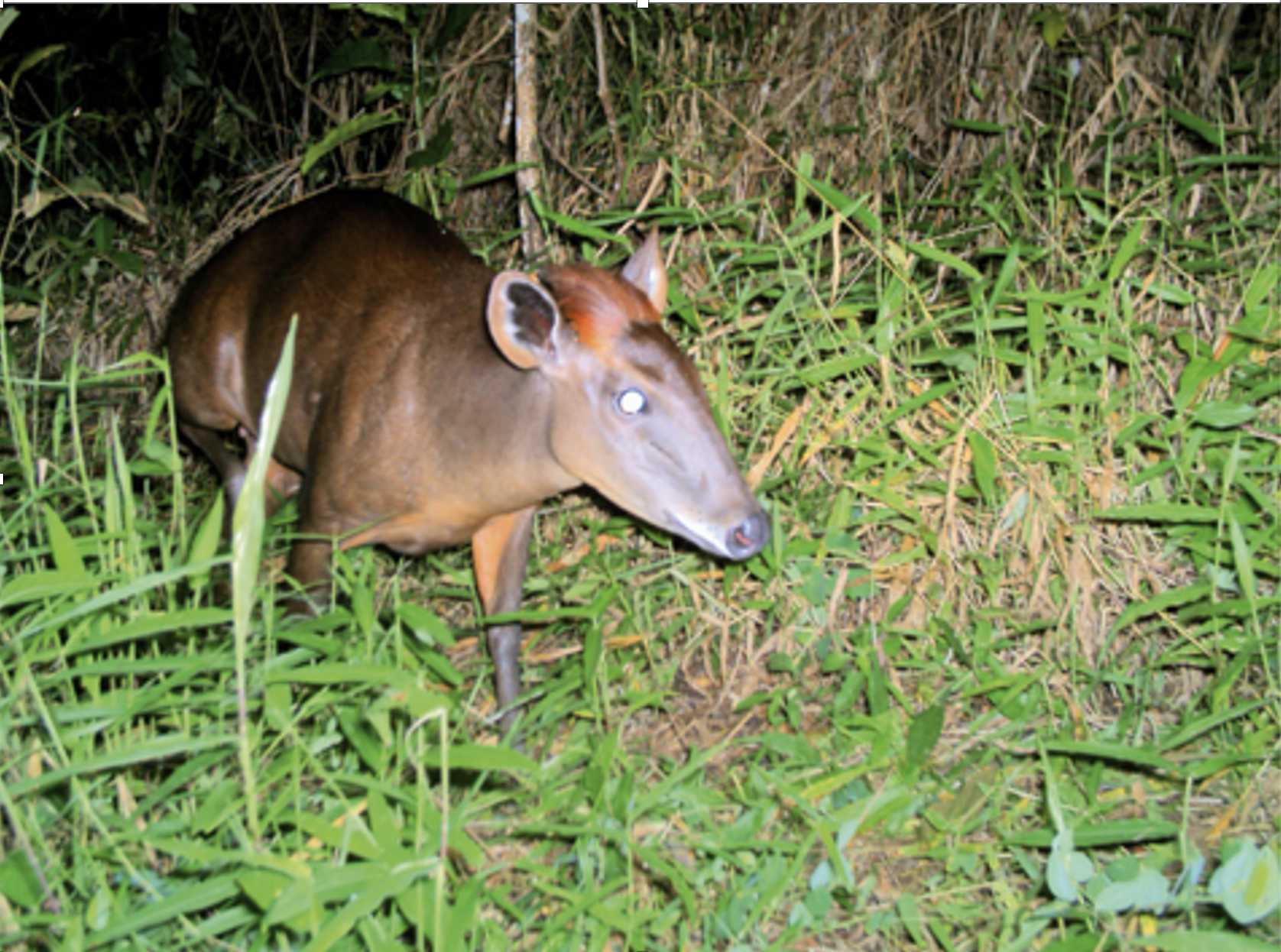
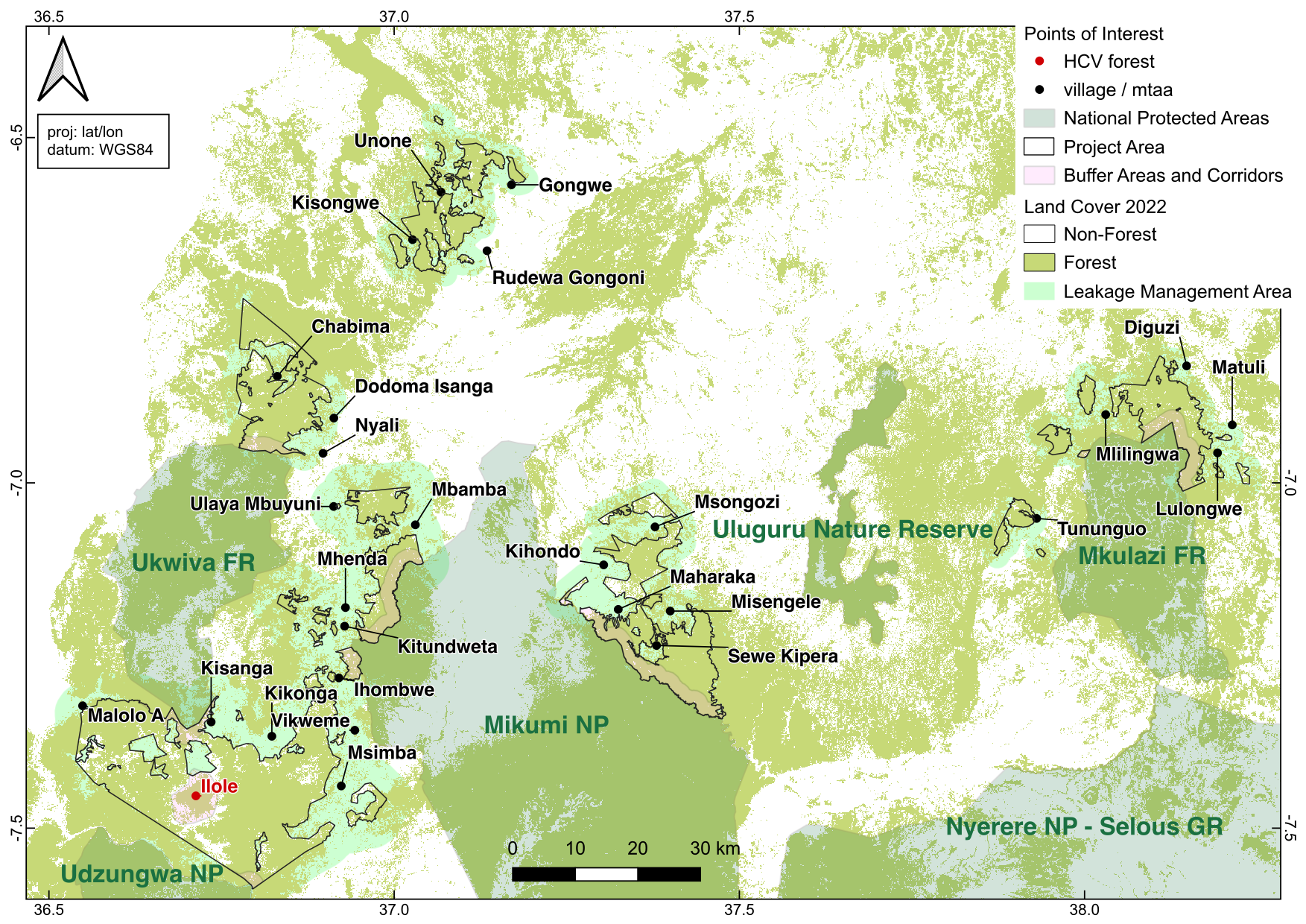
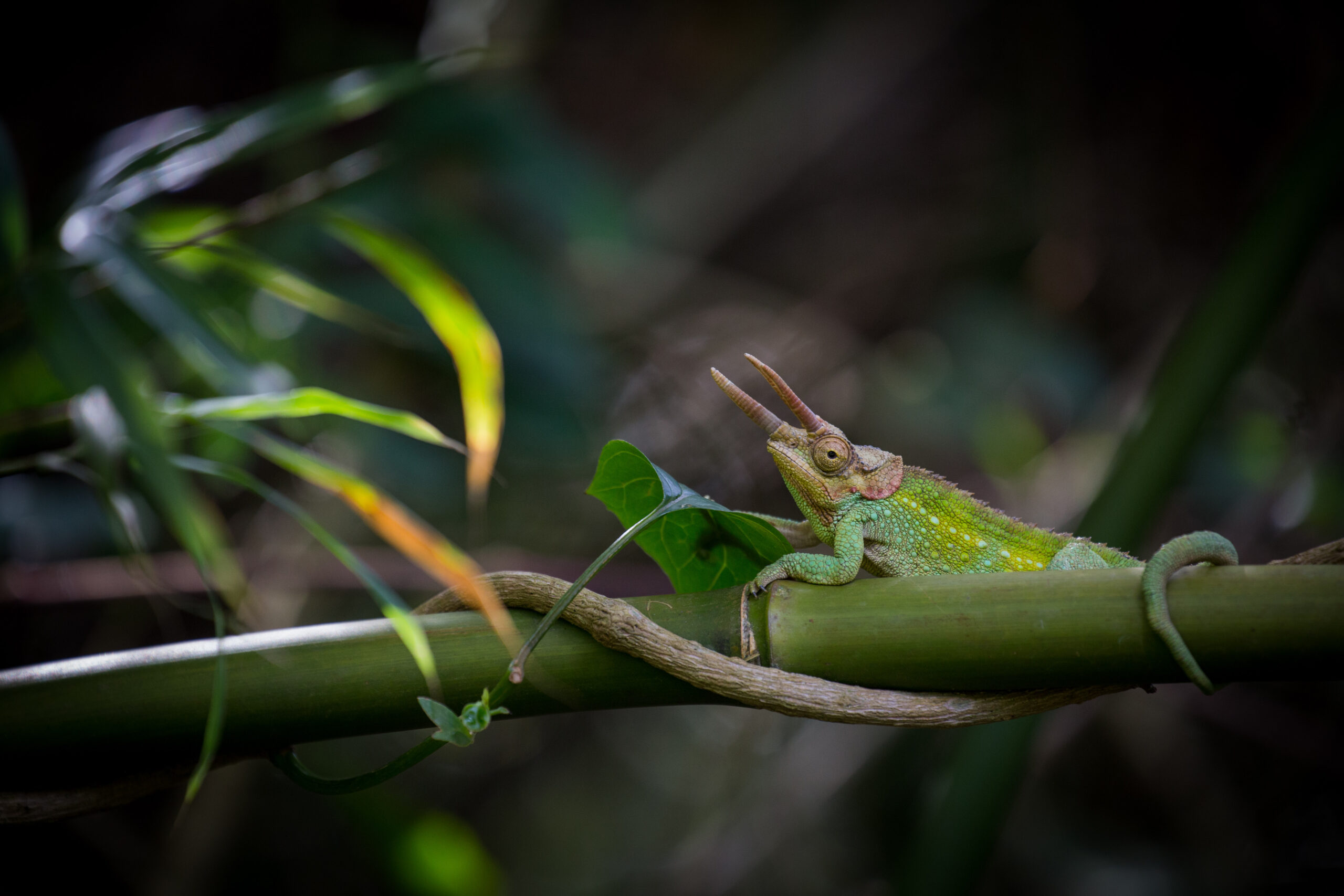
Montane forests in the Eastern Arc Mountains are globally significant for biodiversity and endemism. In the VCSL project area, sites such as Ilole Forest, and the buffers of Udzungwa National Park (NP) and Ukwiva Forest Reserve (FR) support endangered species like Abbott’s Duiker and provide critical water catchment and refuge functions.
⛰️
Ilole Forest
Kilosa
Montane Forest
⛰️
Ukwiva FR Buffer
Kilosa
Montane Forest
⛰️
Udzungwa NP Buffer
Kilosa
Montane Forest
×

Species
Importance
Villages

🌿 Miombo Woodlands

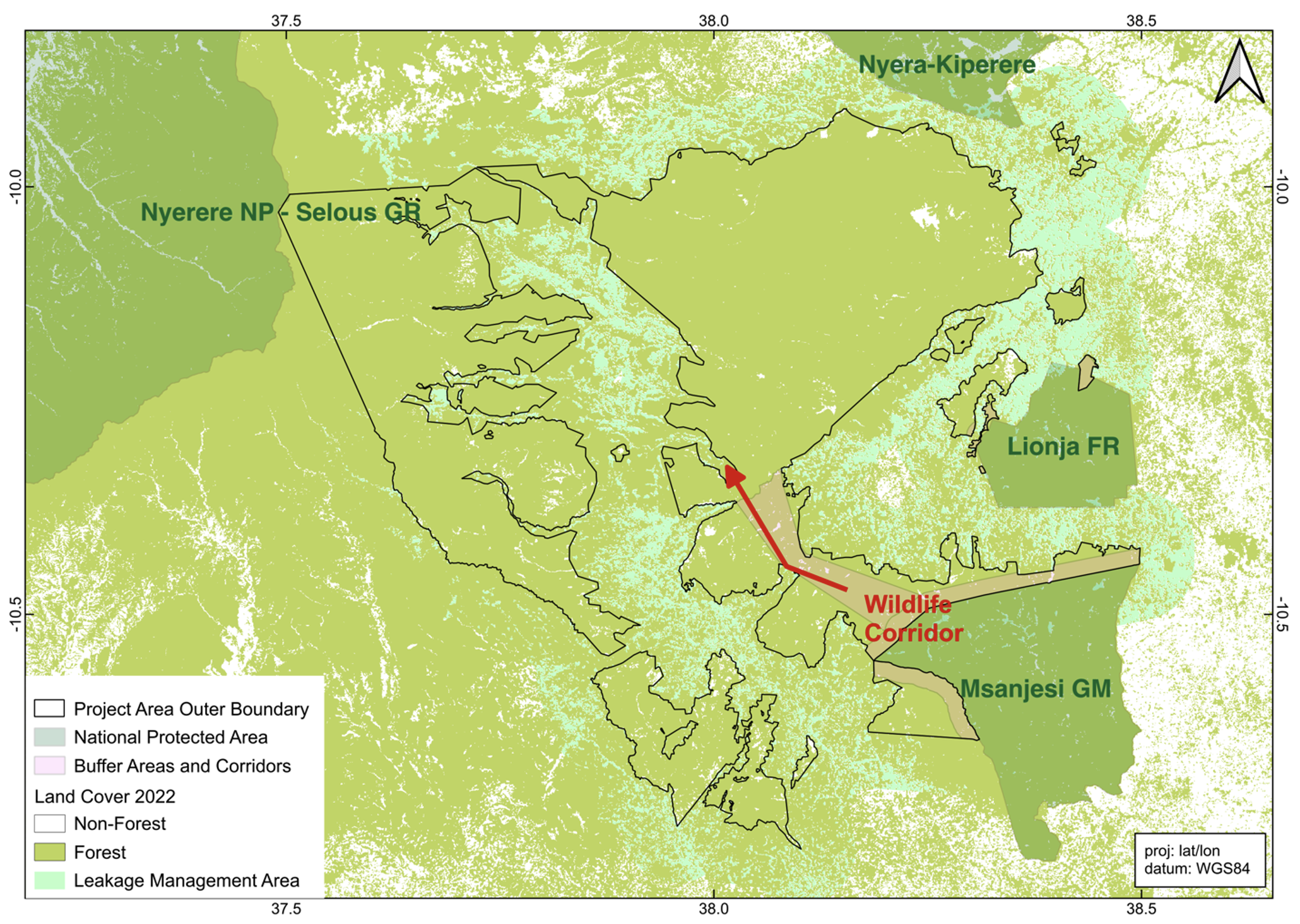
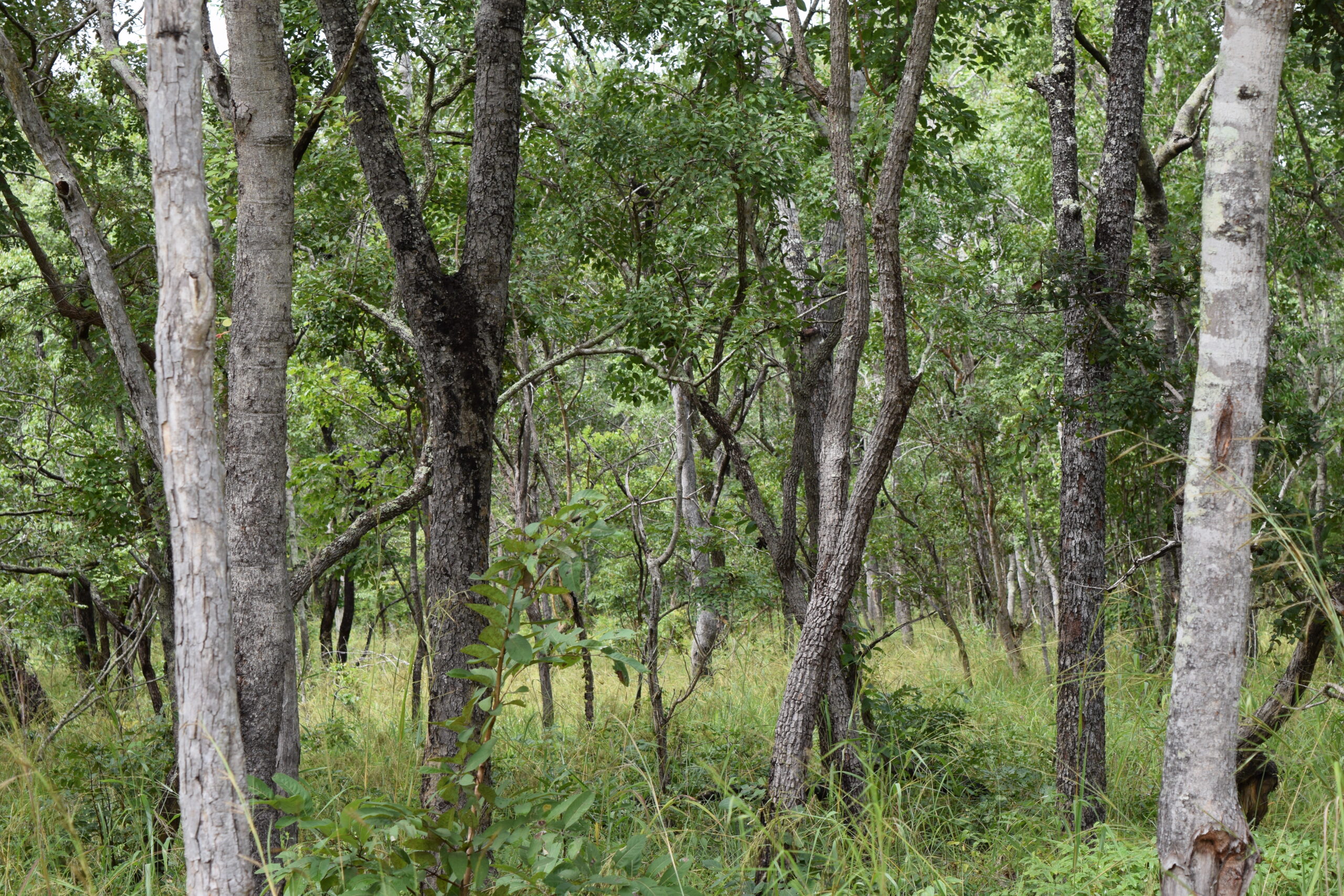
Miombo woodlands dominate the VCSL project area, supporting wildlife such as African Savannah Elephants and maintaining key ecological connectivity. Key areas include Angai Community Forest and the Msanjesi Corridor, which also sustain community livelihoods.
🌿
Msanjesi Corridor
Nachingwea
Miombo
🌿
Angai Community Forest
Liwale
Miombo
🌿
Lionja FR Buffer
Nachingwea
Miombo
🌿
Matapwa FR Buffer
Lindi Municipality
Miombo
🌿
Litipo FR Buffer
Lindi Municipality
Miombo / Coastal
🌿
Msanjesi GM Buffer
Nachingwea
Miombo
🌿
Mkulazi FR Buffer
Morogoro
Miombo
🌿
Mikumi NP Buffer
Kilosa & Mvomero
Miombo
×

Species
Importance
Villages
IUCN Red List in VCSL's Area
Rondo dwarf galago
Paragalago rondoensis
πŸ”΄ Endangered (IUCN 2024)
🐾 Mammal
πŸ“ Noto, Chitoa
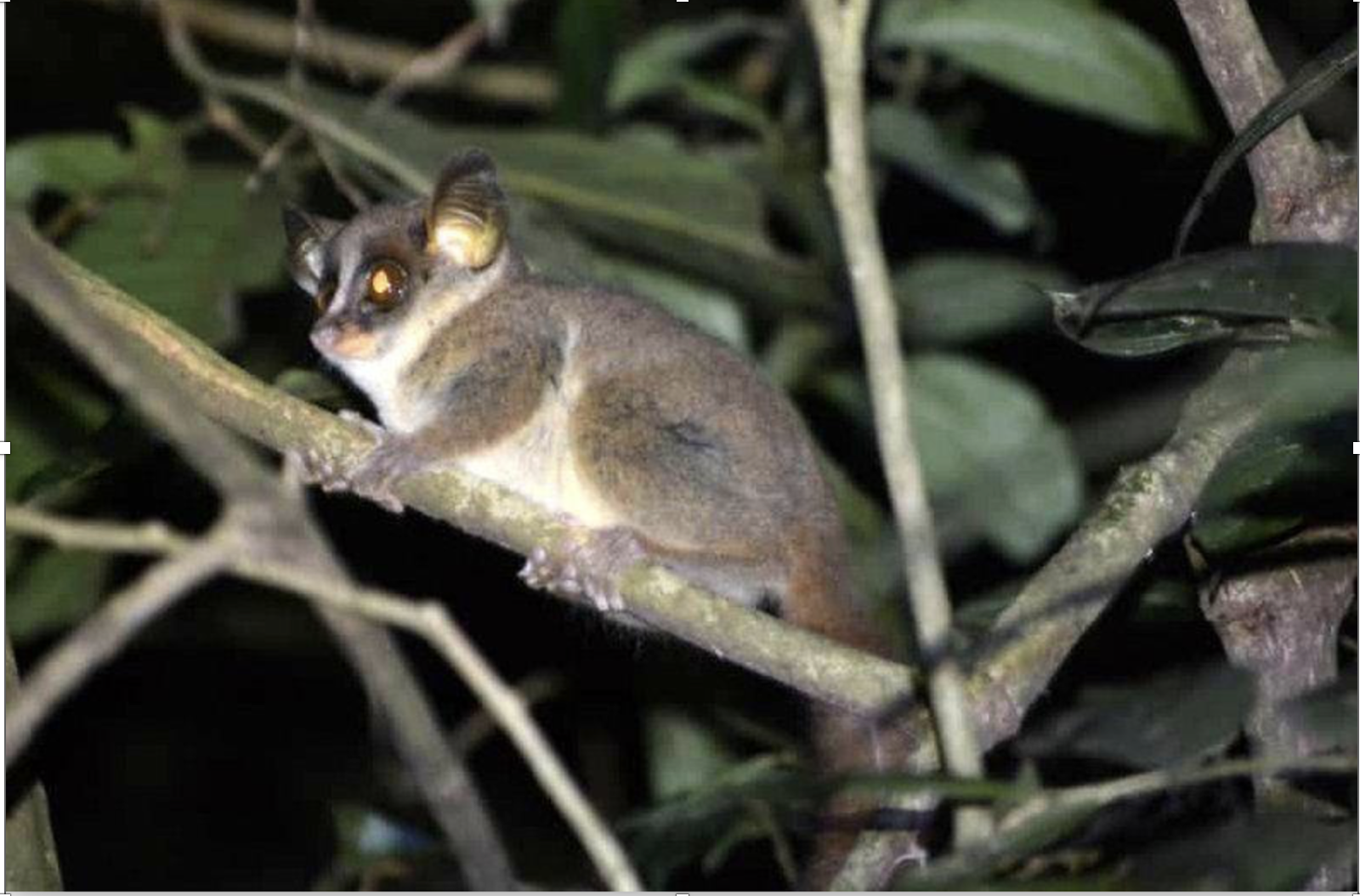
Mountain dwarf galago
Paragalago orinus
🟠 Vulnerable (IUCN 2024)
🐾 Mammal
πŸ“ Ilole
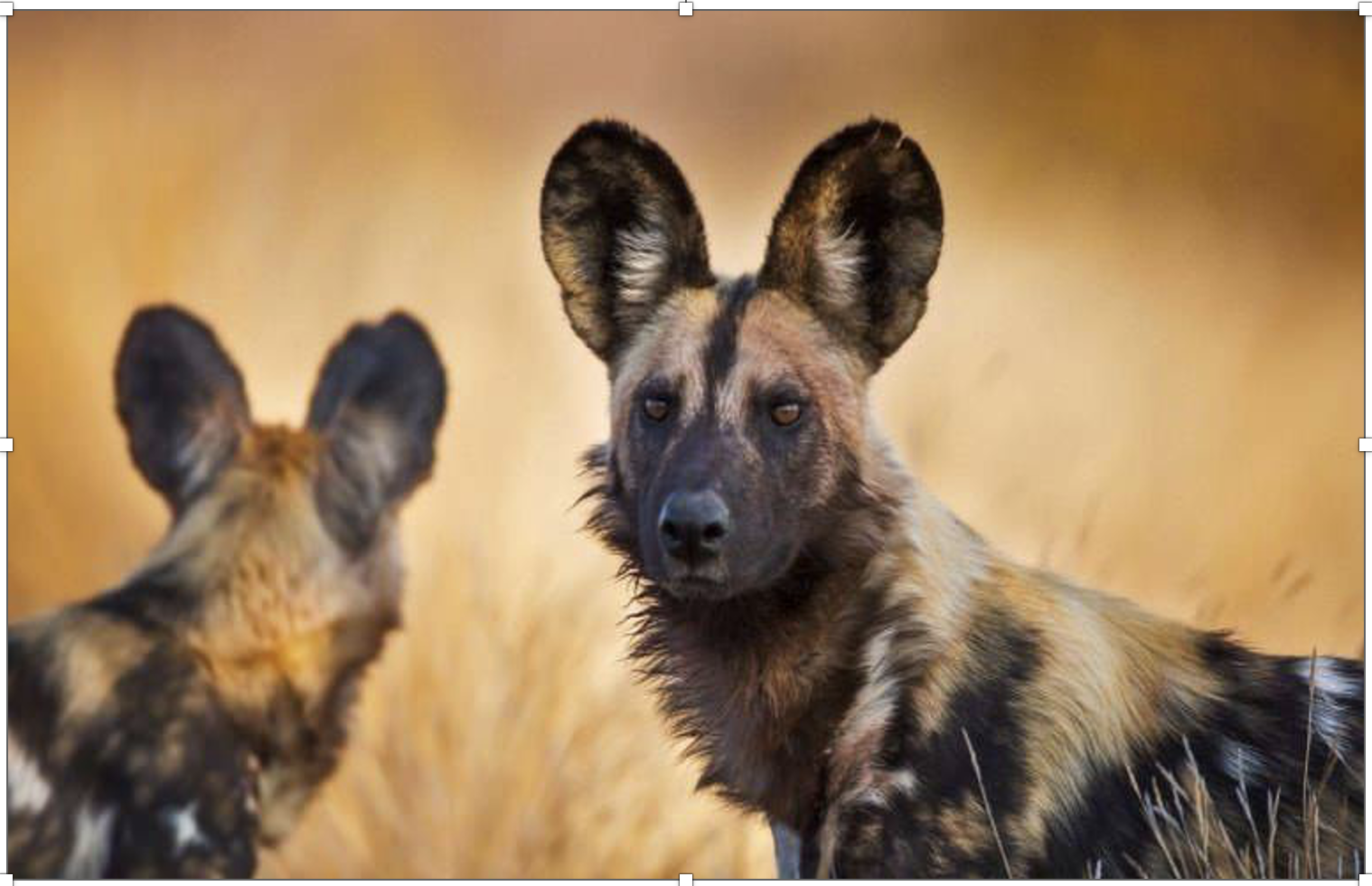
African wild dog
Lycaon pictus
πŸ”΄ Endangered (IUCN 2024)
🐾 Mammal
πŸ“ Msanjesi Corridor, Angai, Sewe Kipera, Msimba, Malolo, Ihombwe, Kitunduweta, Mbamba
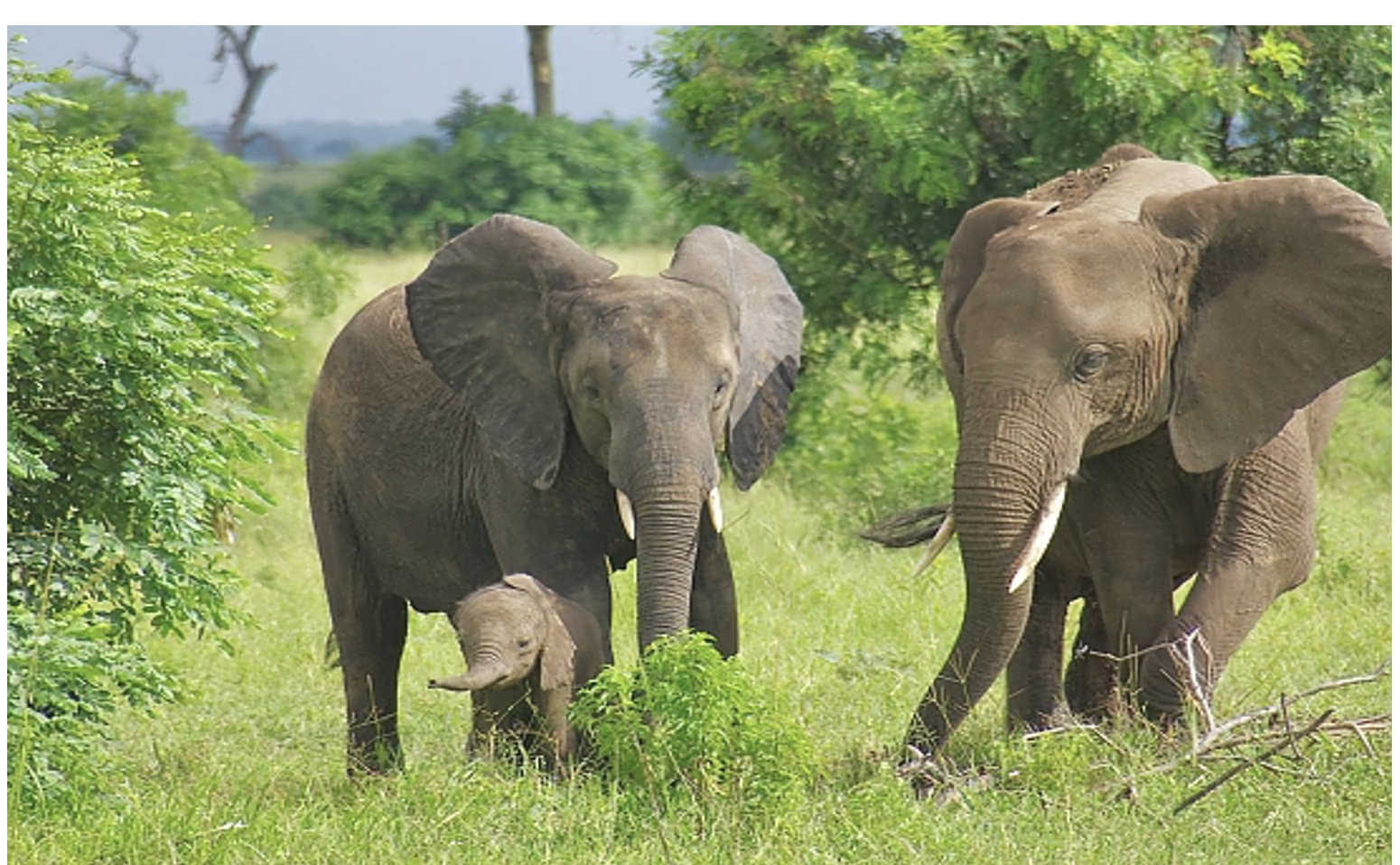
African elephant
Loxodonta africana
πŸ”΄ Endangered (IUCN 2024)
🐾 Mammal
πŸ“ Accross all project's High Conservation value areas
Abbott’s duiker
Cephalophus spadix
πŸ”΄ Endangered (IUCN 2024)
🐾 Mammal
πŸ“ Ilole
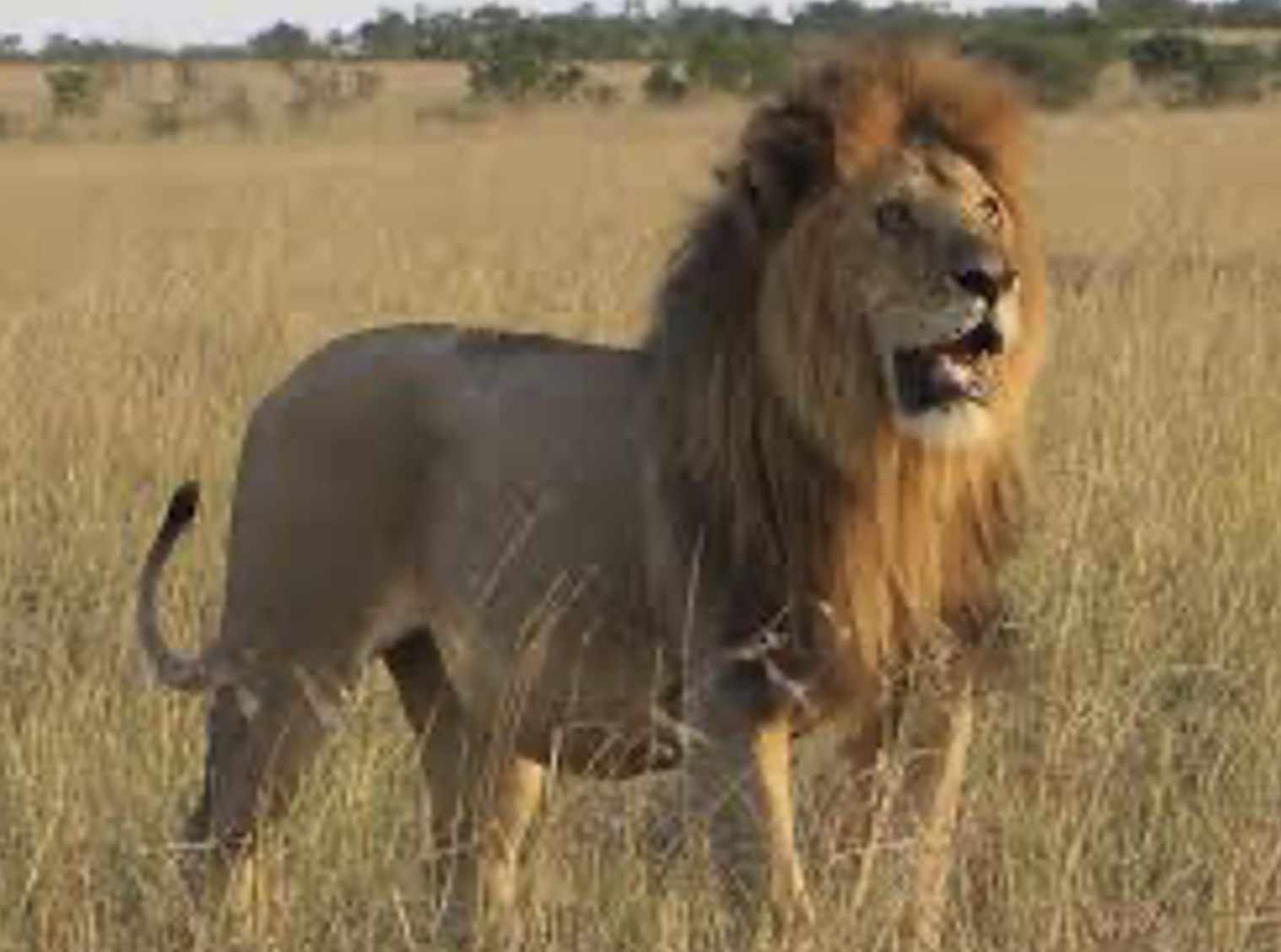
African lion
Panthera leo
🟠 Vulnerable (IUCN 2024)
🐾 Mammal
πŸ“ Accross all Project's High Conservation Value areas
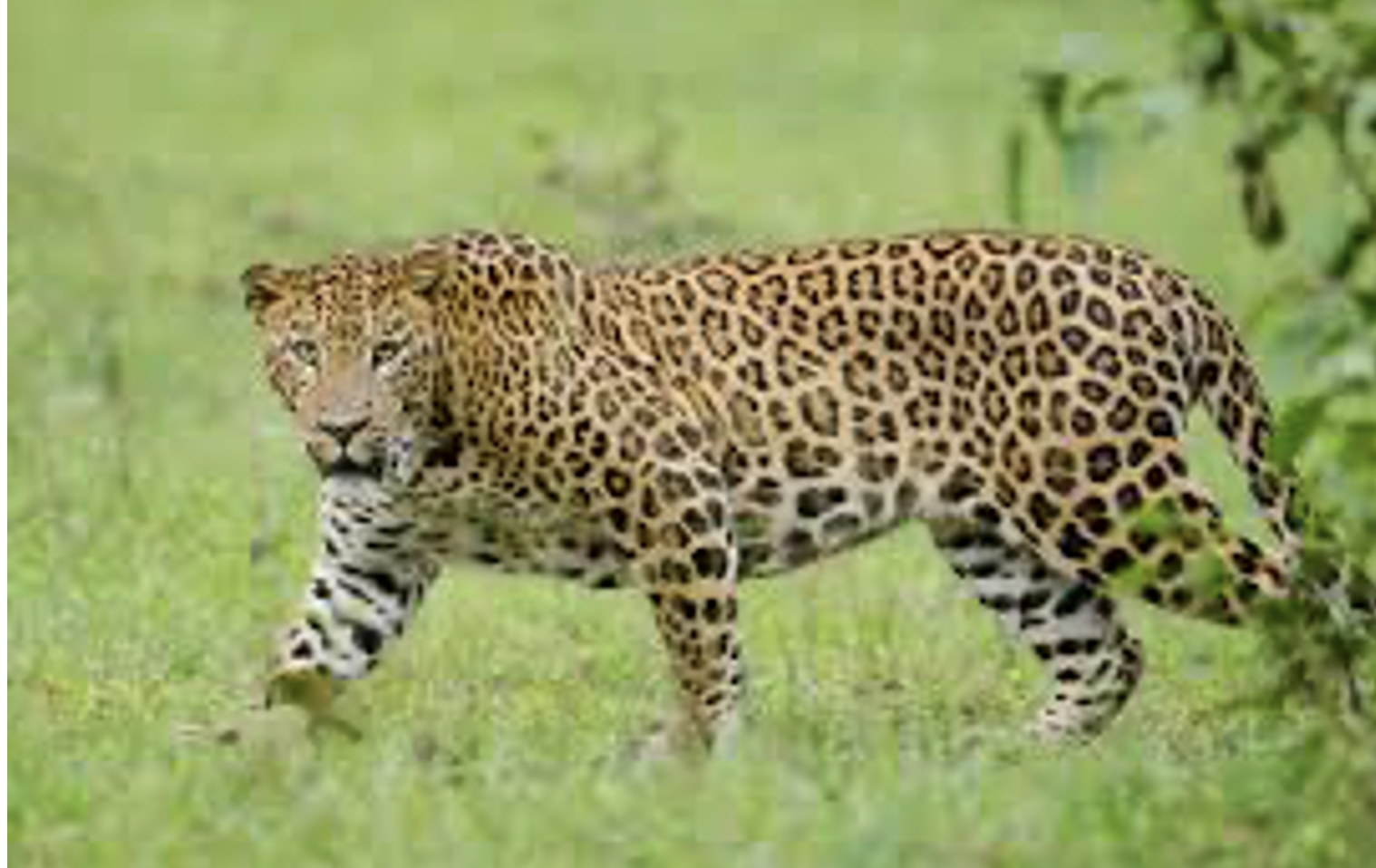
Leopard
Panthera pardus
🟠 Vulnerable (IUCN 2024)
🐾 Mammal
πŸ“ Accross all Project's High Conservation Value areas
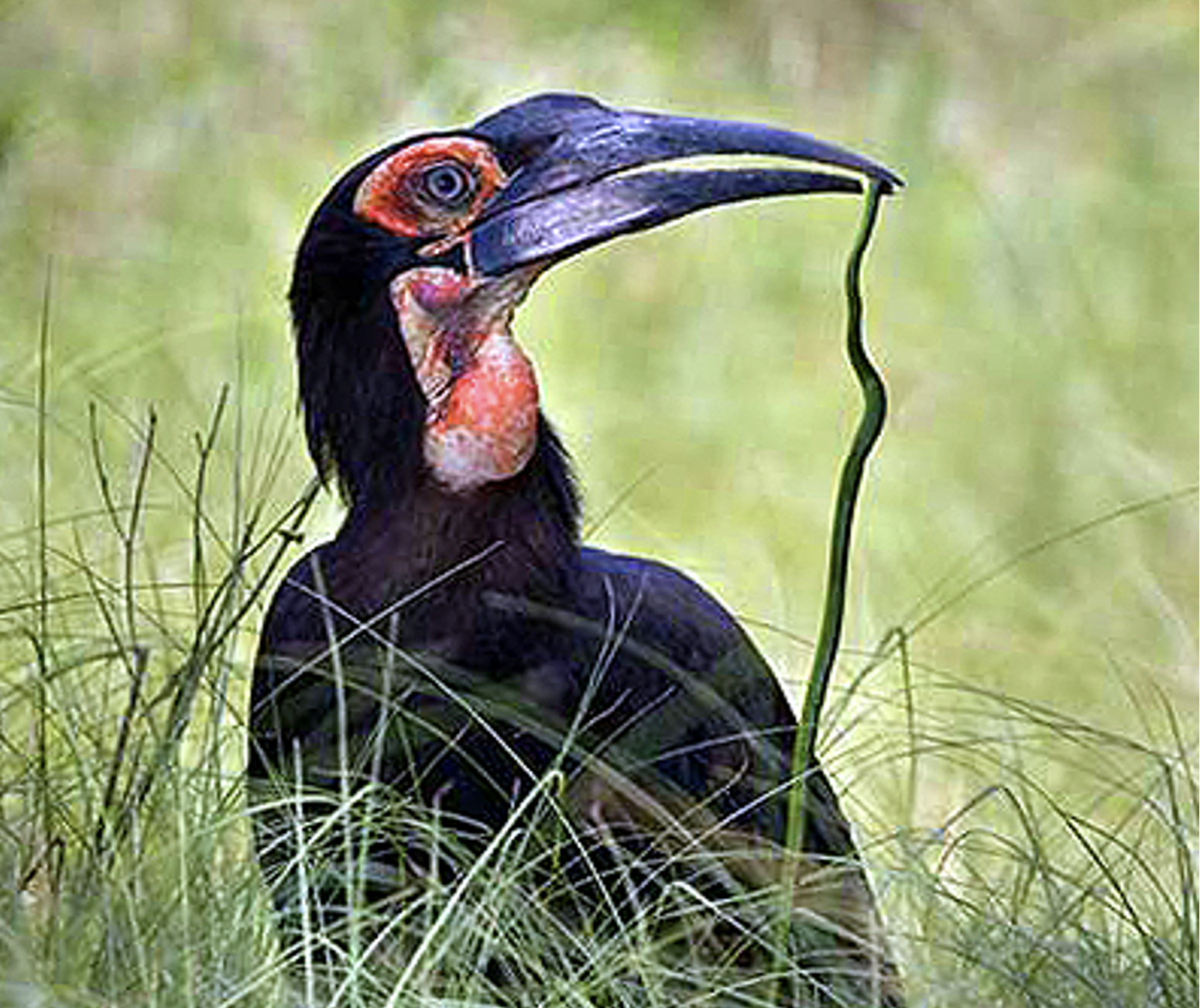
Southern ground-hornbill
Bucorvus leadbeateri
🟠 Vulnerable (IUCN 2024)
πŸ¦… Bird
πŸ“ Noto, Chitoa, Angai, Msanjesi Corridor
Uluguru Banana Frog
Afrixalus uluguruensis
🟠 Vulnerable (IUCN 2024)
🐸 Amphibian
πŸ“ Ilole
Leptactina papyrophloea
πŸ”΄ Endangered (IUCN 2024)
🐸 Amphibian
πŸ“ Kiwawa
Uluguru Forest Snake
Buhoma procterae
🟠 Vulnerable (IUCN 2024)
🐍 Reptile
πŸ“ Ilole
Terminalia apetala
Terminalia apetala
πŸ”΄ Endangered (IUCN 2024)
🌿 Plant
πŸ“ Ruhoma, Mkanga 1
Bauhinia loeseneriana
πŸ”΄ Endangered (IUCN 2024)
🌿 Plant
πŸ“ Mkanga 1
Keetia davidii
Keetia davidii
πŸ”΄ Endangered (IUCN 2024)
🌿 Plant
πŸ“ Ilole
Dichapetalum braunii
🟠 Vulnerable (IUCN 2024)
🌿 Plant
πŸ“ Ruhoma, Muungano
Monanthotaxis trichantha
🟠 Vulnerable (IUCN 2024)
🌿 Plant
πŸ“ Ruhoma, Mkanga 1
Mimusops acutifolia
Mimusops acutifolia
🟠 Vulnerable (IUCN 2024)
🌿 Plant
πŸ“ Mkombamosi, Likonde
Peponium leucanthum
Peponium leucanthum
🟠 Vulnerable (IUCN 2024)
🌿 Plant
πŸ“ Mkanga 1
General Species Population Trends
⬇ Overall Trend: Decreasing

Forest loss of up to 67% over 42 years (including ~75% in coastal forests) would severely reduce habitat. Combined with fire and agricultural expansion, this would increase climate stress and significantly raise the risk of local species extinction.

Example Species:
  • Paragalago rondoensis
  • Paragalago orinus
  • Afrixalus uluguruensis
  • Buhoma procterae
➜ Overall Trend: Stabilizing

By preventing deforestation and managing fire, the project maintains critical forest habitats, reduces local temperature extremes, and enhances ecosystem resilienceβ€”resulting in a strong net positive impact on biodiversity.

Maintained Species:
  • Paragalago rondoensis
  • Paragalago orinus
  • Leptactina papyrophloea
  • Terminalia apetala
⬆ Increasing Species

Some species increase due to targeted interventions such as anti-poaching and reduced human-wildlife conflict.

Increasing Species:
  • Cephalophus spadix
  • Loxodonta africana
  • Lycaon pictus
VCSL's Biodiversity Impact Summary
Avoided HCV Forest Loss

The VCSL project protects High Conservation Value forest ecosystems by significantly reducing deforestation across priority landscapes.

🌳
0 ha
Total forest saved
🌿
0 ha
Miombo forest saved
🌊
0 ha
Coastal forest saved
⛰️
0 ha
Montane forest saved
+ View detailed data
Area Forest Type Baseline (ha) Observed (ha) Reduced (ha) % Reduction
Chitoa FR bufferCoastal129.821.7108.183.3%
Ilole ForestMontane0.92.7-1.8-200%
Lionja FR bufferMiombo56.111.644.679.5%
Litipo FR bufferMixed418.832.278.5%
Matapwa FR bufferMiombo38.218.419.751.6%
Mikumi bufferMiombo245.229.9215.487.8%
Mkulazi bufferMiombo6429.734.353.6%
Msanjesi CorridorMiombo110.169.540.636.9%
Msanjesi GM bufferMiombo148.88.9139.994.0%
Noto PlateauCoastal147.10.4146.899.8%
Rondo NR bufferCoastal124.314.4109.988.4%
Udzungwa bufferMiombo7.207.2100%
Ukwiva FR bufferMontane26.83.823.186.2%
Conservation of Trigger Species

Monitoring results show a 92% reduction in deforestation in key habitats and continued presence of priority species, including confirmed Rondo dwarf galago populations and frequent elephant sightings across the project landscape. These results indicate effective habitat protection and positive biodiversity outcomes.

+ View detailed data
Biodiversity Variable Location Project Actions Monitoring Method Result
Rondo Dwarf Galago Noto Plateau 11 patrols, disturbance checks Acoustic monitoring + night surveys 92% deforestation reduction; species confirmed present
Elephants Project-wide Boundary clearing + patrols Opportunistic observations Frequent sightings across key areas
Abbott’s Duiker Ilole Forest VLFR patrols Dung records No survey this period; monitoring ongoing
Wild Dogs Mikumi & Msanjesi Patrols + community reports Sightings & indirect signs No sightings; monitoring to be expanded
Poaching All HCV areas 3,741 patrol records Snare removal & encounters Active enforcement; no quantified trend yet
Amphibians & Plants Ilole & Lindi VLFRs Patrols ongoing Future surveys (2025/26) Likely persistence; verification planned