VCSL'S Guiding Principles for Benefit Sharing
A community-driven philosophy ensuring fairness, transparency, and sustainable impact.
Equal Ownership and Entitlement
All community members are recognized as equal owners of the forest and the revenues accrued from carbon activities, ensuring shared rights and responsibilities.
Household-Based Dividend Distribution
Benefits are distributed at the household level, enabling direct dividends that support family welfare and local economic stability.
Gender Inclusion and Empowerment
Women are entitled to collect and manage revenues on behalf of their households and dependents, promoting inclusive financial access.
Performance-Based Incentives
Benefit allocation is linked to measurable mitigation outcomes, including reductions in deforestation and improved forest conservation performance.
Opportunity Cost Consideration
Benefit sharing is grounded in opportunity cost, ensuring communities are compensated relative to economic alternatives forgone in conserving forests.
Sustainable Livelihood Investment
Households are encouraged to invest a portion of revenues in productive and sustainable activities, particularly agriculture, to enhance long-term resilience.
Transparency and Accountability
All processes for allocation, distribution, and use of revenues are conducted transparently with clear reporting and accountability mechanisms.
Community Governance and Participation
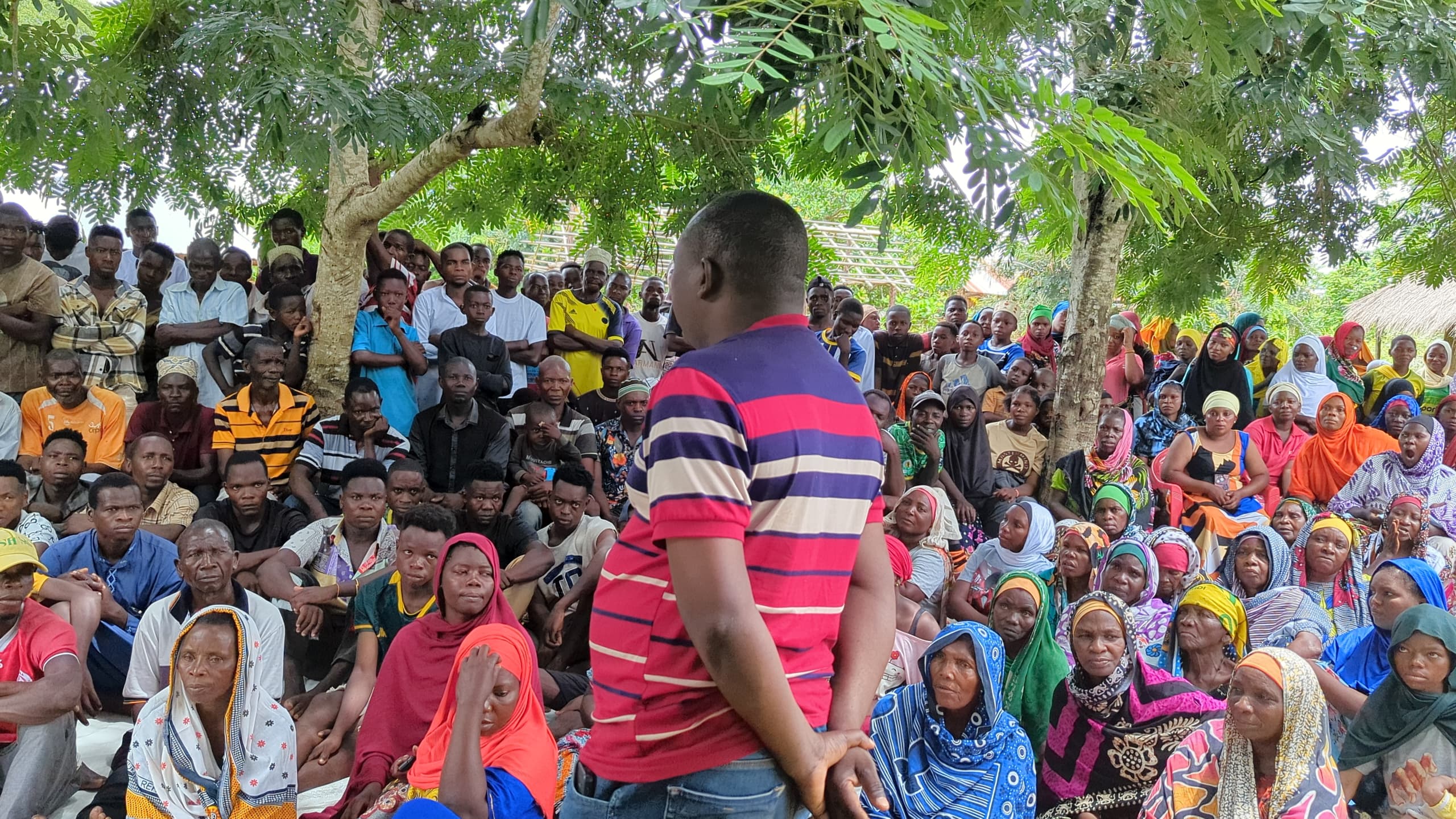
Decision-making is conducted through inclusive structures, ensuring participation of Village Councils, General Assemblies, and elected committees.
VCSL's Benefit Sharing Process
Step-by-step flow of how benefit sharing is developed, approved, and implemented
1. Guidelines Development
Develop benefit-sharing guidelines aligned with national regulations and project framework.
2. Community Consultation
Conduct village consultations and discussions to ensure community input and alignment.
3. Approval
Benefit-sharing framework is approved through the Village General Assembly.
4. Committee Election
Community elects REDD/benefit-sharing committees to oversee implementation.
5. Revenue Allocation
Carbon revenues are allocated and distributed according to agreed guidelines.
🏛️ Benefit Sharing Governance
💰 Income Distribution
📊 Community Projects by Sector
| Village | Project Count | Sector | Project Details |
|---|---|---|---|
| Ruhoma | 1 | Education | 14 desks |
| Ruhoma | 2 | Agriculture | Power tiller and crop protection nets |
| Ruhoma | 1 | Governance | Bricks for village office construction |
| Likwaya | 1 | Water | Water infrastructure construction |
| Likwaya | 1 | Agriculture | Power tiller trailer |
| Muungano | 1 | Governance | Village office construction |
| Muungano | 2 | Education | 10 desks and 1 classroom |
| Mkombamosi | 1 | Governance | Village office construction |
| Mkombamosi | 1 | Education | 10 desks |
| Makumba | 1 | Education | Classroom construction |
| Makumba | 1 | Governance | Village office construction |
| Nandambi | 1 | Health | Dispensary construction |
| Mkanga 1 | 1 | Health | Foundation for dispensary construction |
| Kiwawa | 1 | Governance | Village office construction |
| Kinyope | 1 | Education | School toilet construction |
| Kinyope | 1 | Governance | Village office construction |
| Kinyope | 1 | Health | Dispensary construction |
| Milola Magharibi | 1 | Governance | Village office construction |