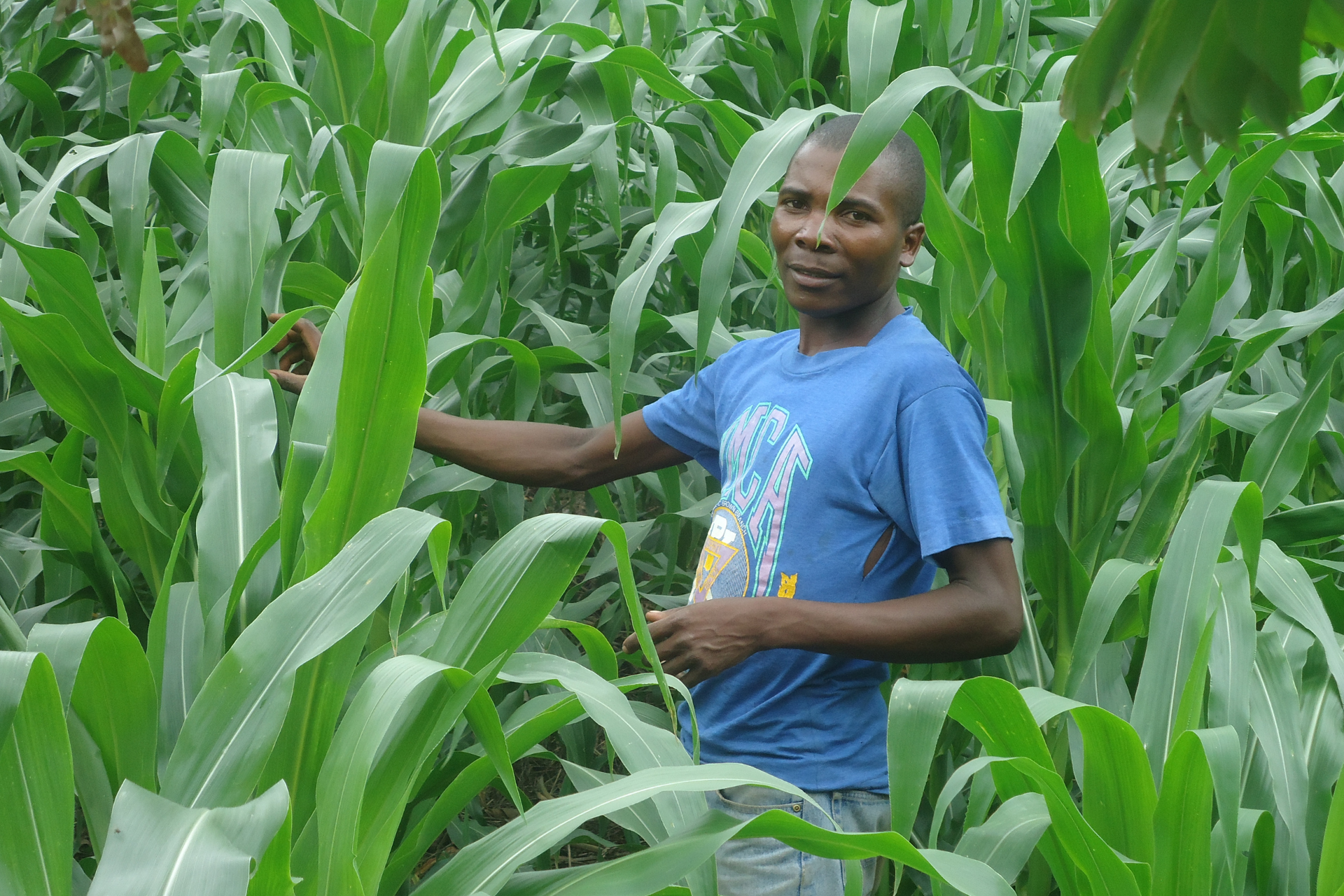
🌾 Low agricultural productivity
Climate variability, poor practices, and human-wildlife conflict
📍 Weak land tenure
Open-access forests incentivizing deforestation for land claims
💰 Limited finance
Insufficient and unstable funding for VLFR management
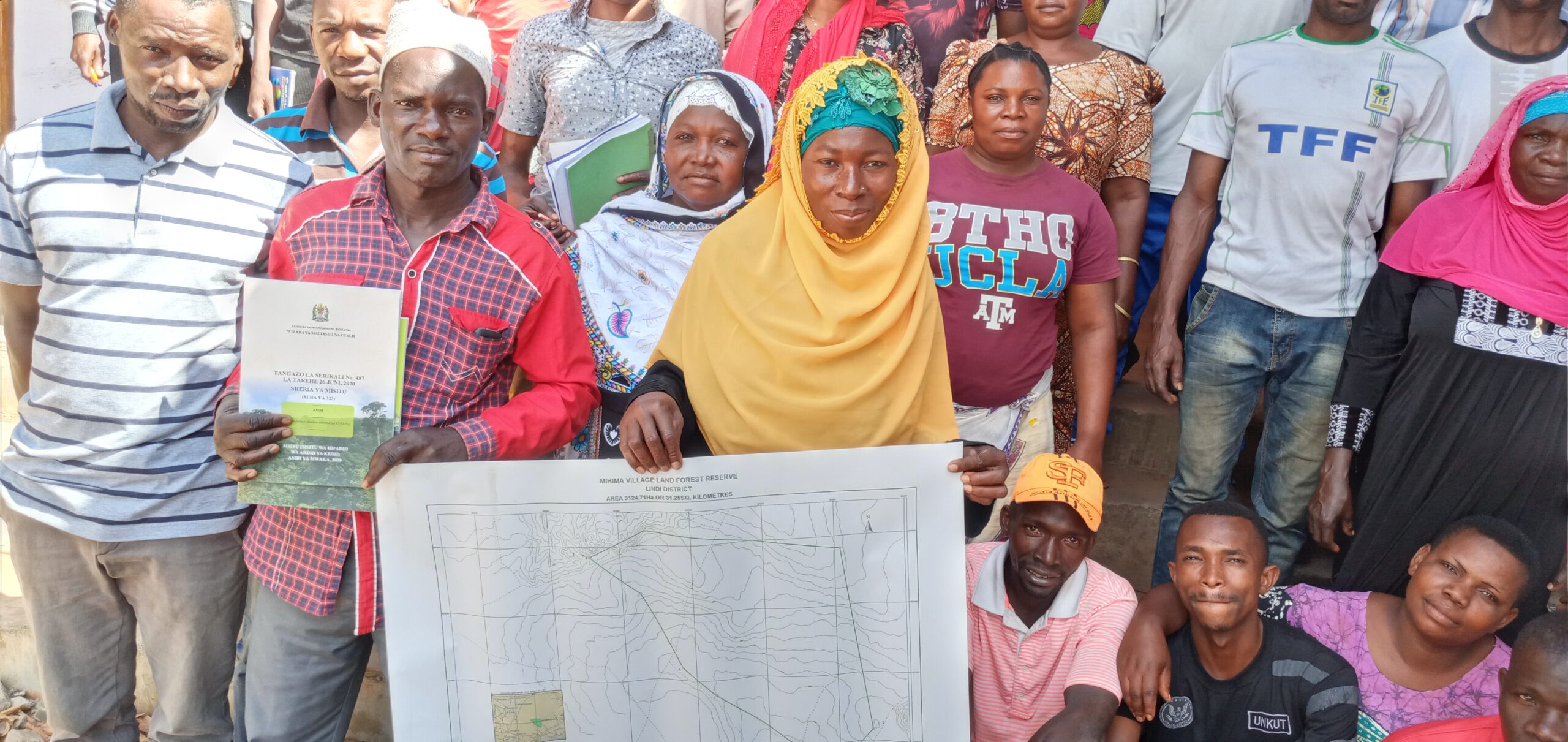
🏛️ Weak governance
Poor VLFR boundary demarcation, weak enforcement, and lack of efforts to address leakage
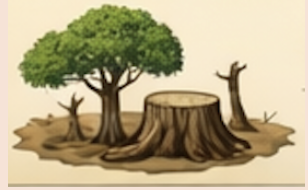
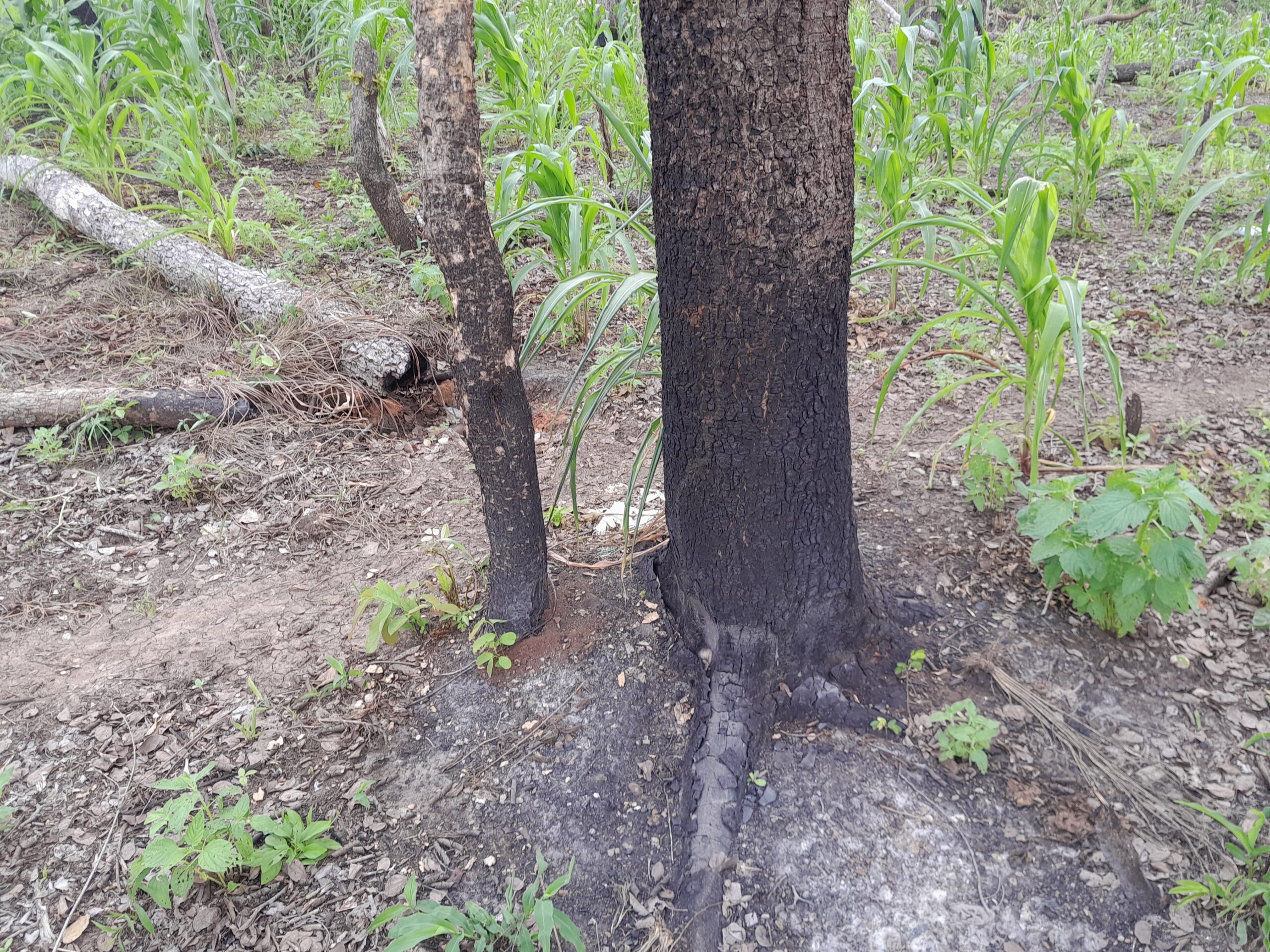
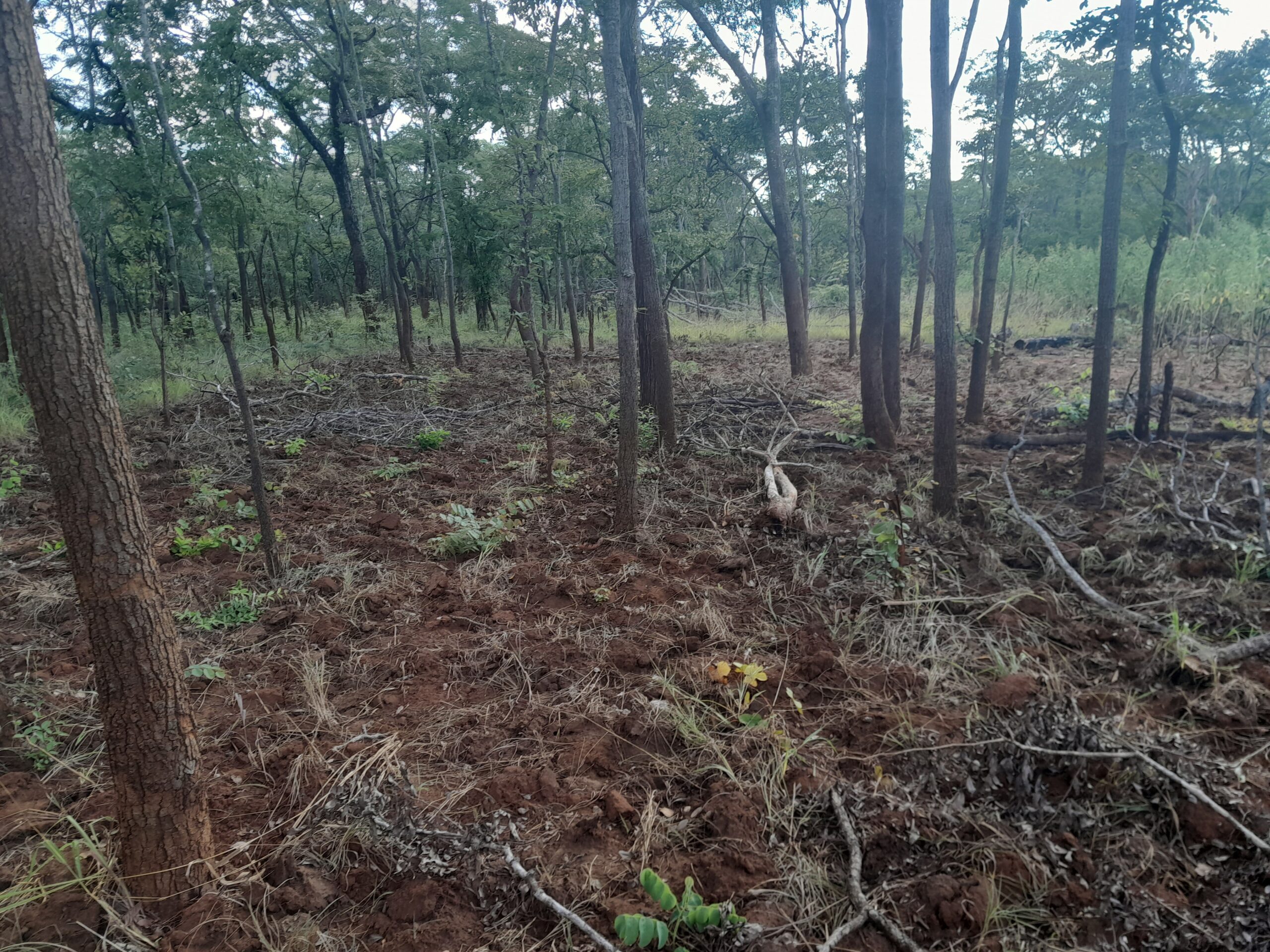
This has affected 98% of Village Land Forest Reserves (VLFRs) within VCSL’s project landscapes, leading to widespread loss of VLFRs by up to 74%.
🌡️ Microclimate change
Warmer and drier local conditions disrupting rainfall patterns
🌍 Increased emissions
Rising tCO₂e emissions contributing to global climate change
🦋 Biodiversity loss
Decline of high conservation value habitats and globally significant species
🌾 Livelihood pressure
Declining farm yields and income resilience, increasing dependence on forest clearing
Stabilized rainfall and healthier local conditions.

Habitat persistence for endangered and endemic species.

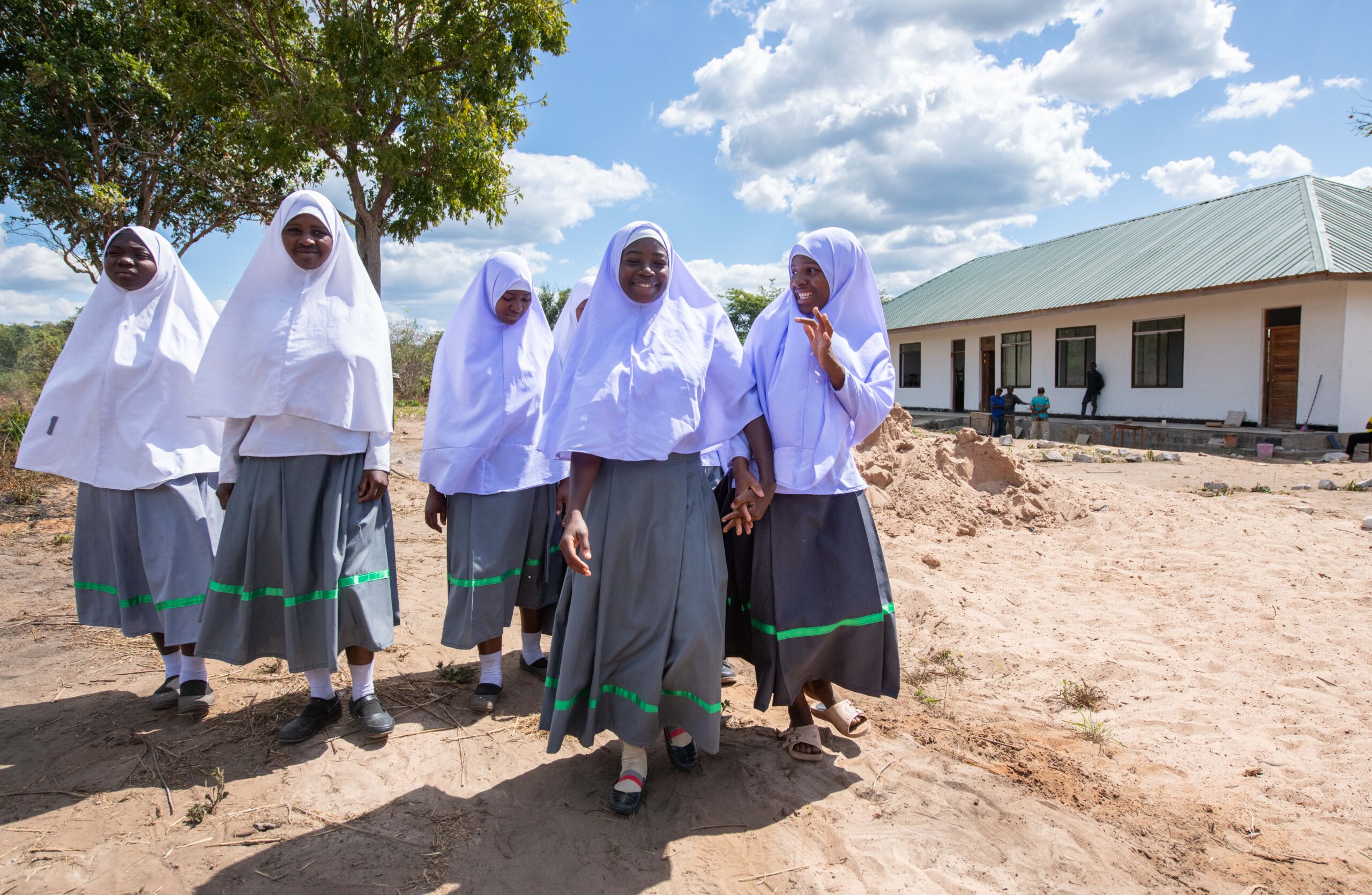
Stronger and more resilient livelihoods in project communities.

Sustained protection of Village Land and Local Authority Forest Reserves.

Conservative carbon credits issued under VCS & CCB standards.

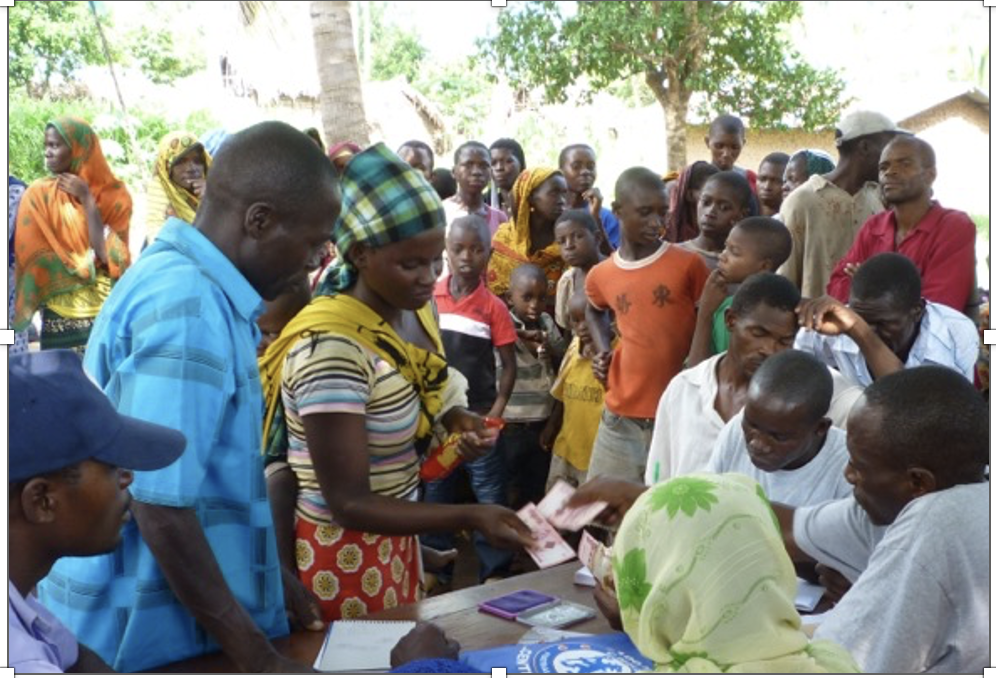
Funding community development projects and household dividends.

Higher farm yields that reduce pressure on forests.
Community approval and project participation.

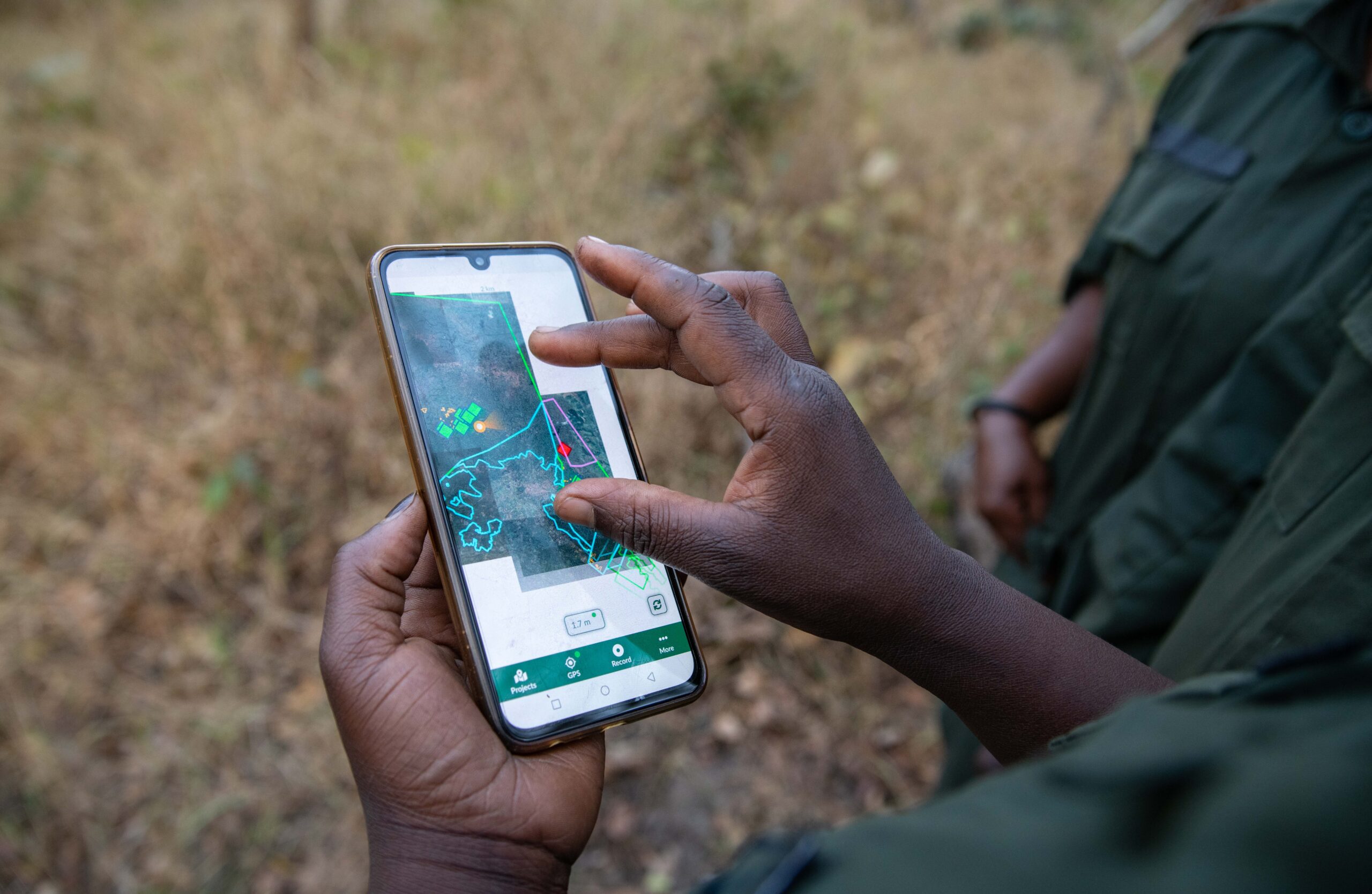
Smartphone patrols, boundary marking, and enforcement.

Participatory carbon and forest monitoring systems.

Improved practices, inputs, and market access.